September 30, 2026 · By Diane Taylor
Can Heirs Move Into the Inherited Home Before It Sells? What Sacramento Families Should Know
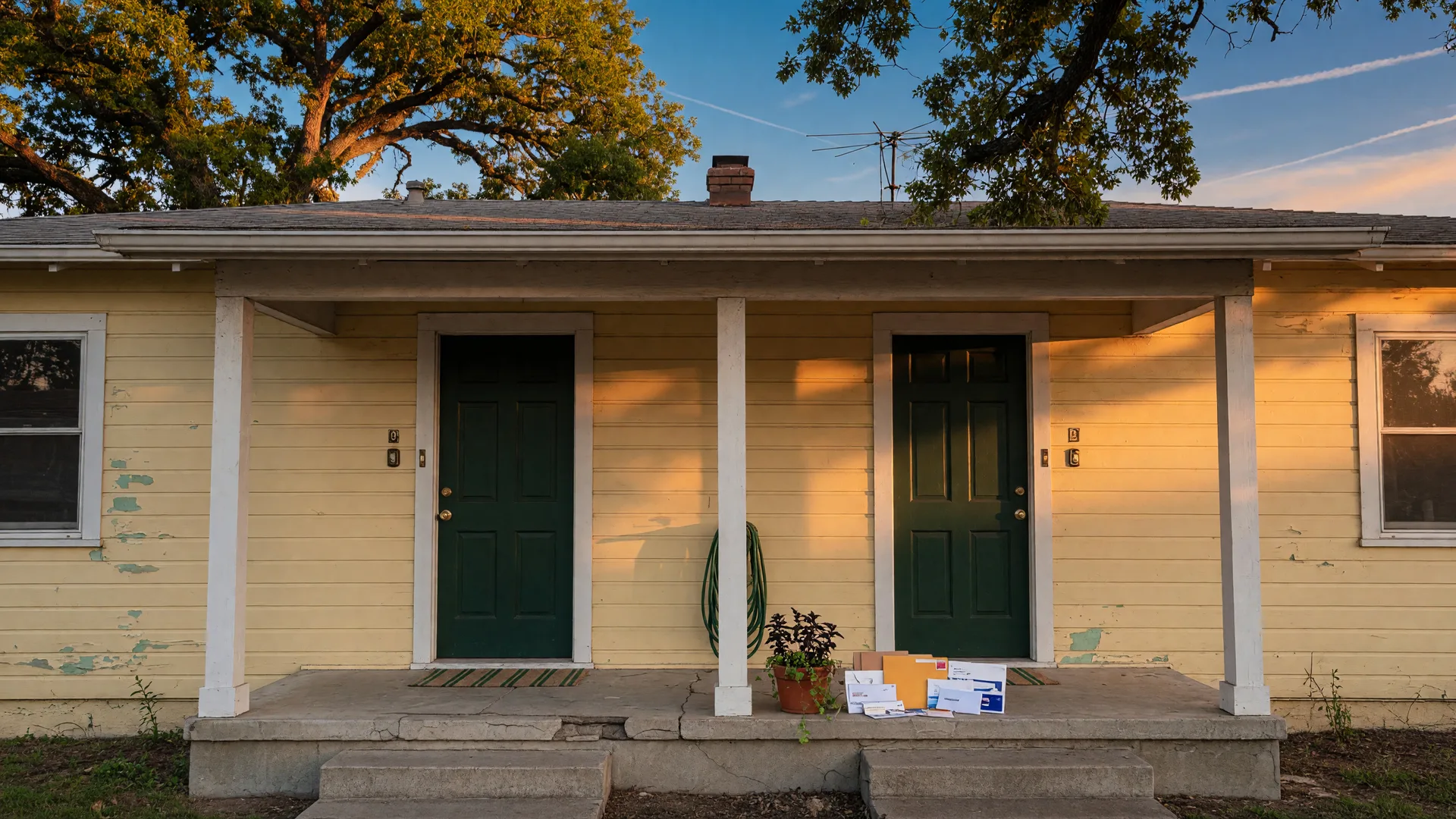
The house does not belong to the heirs yet, it belongs to the estate. Moving in before the sale takes permission, and sometimes rent. Here is how it works in California, in plain language.
Key facts at a glance
- The estate owns the home
- Until the estate is distributed or the home is sold, the property belongs to the estate, and the personal representative or trustee must protect it whether it is occupied or empty.
- Permission, not entitlement
- An heir has no automatic right to live in the inherited home rent-free; the executor or successor trustee must agree, and the terms should be written down.
- Fair-market rent to the estate
- If an heir lives in the home, the estate may charge fair-market rent, and the rent belongs to the estate for the benefit of all heirs.
- The offset at distribution
- An heir who lived rent-free while the estate covered the costs can face a credit against their inheritance share when the estate closes.
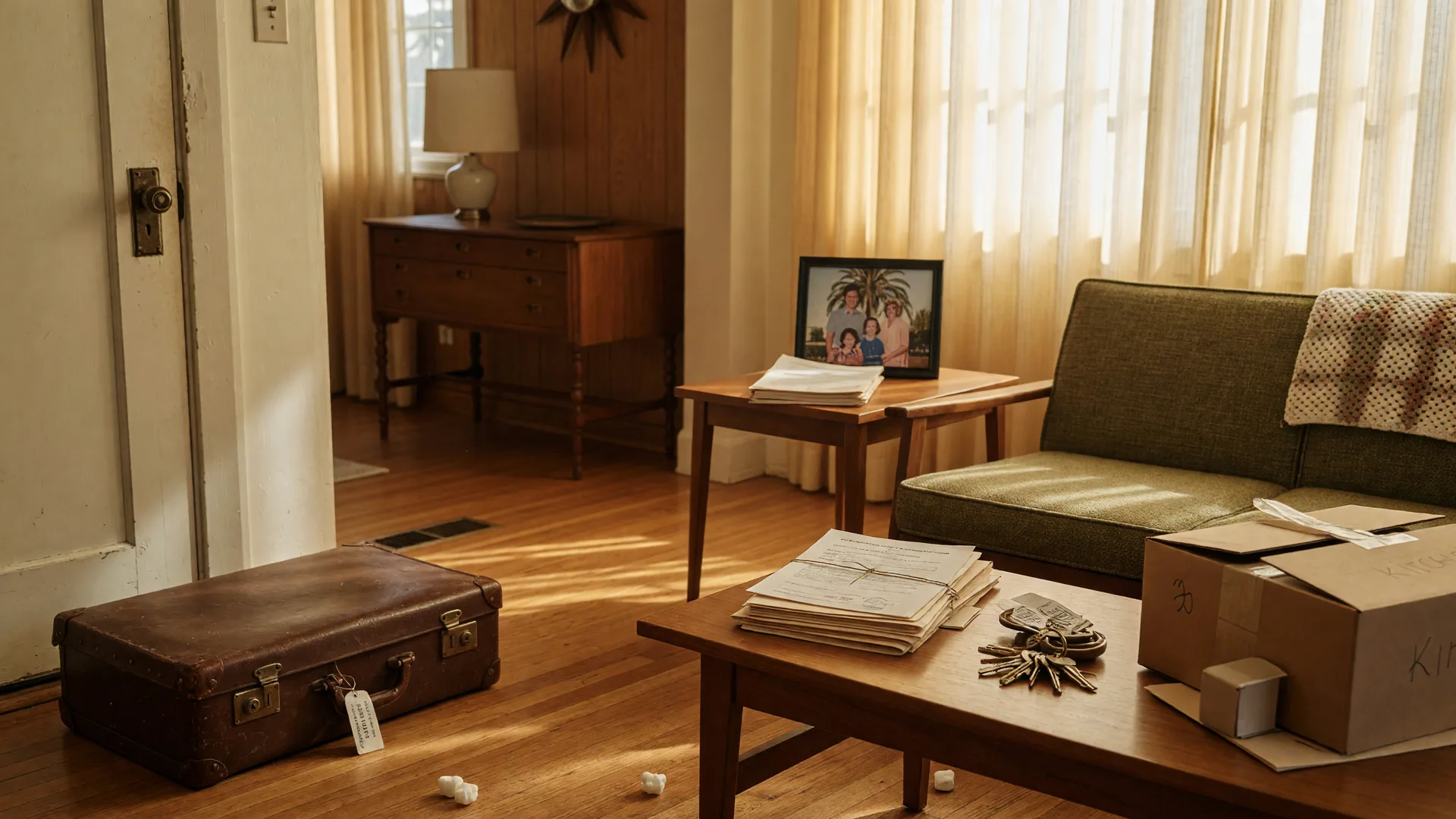
It is the most natural impulse in the world: a parent passes, the family home sits empty, and someone suggests one of the kids move in while the estate is sorted out. In California, the short answer is that it can be done, but only with the personal representative's permission, and usually not for free. The home belongs to the estate, not to the heirs, until probate or trust administration distributes it, so anyone who wants to live there first needs a clear agreement that protects everyone. This is general information, not legal advice, and the estate attorney should confirm what applies to your situation.
The estate owns the home until it is distributed
In probate, the personal representative, the executor or administrator, is required to take possession of and protect the estate's property, including the family home. A successor trustee owes the same duty to the trust's beneficiaries. That duty frames everything else: the person who holds the authority decides who stays in the house, on what terms, and for how long, and the whole family benefits when that decision is fair and documented.
Moving in takes the executor's or trustee's permission
An heir does not have an automatic right to live in the inherited home rent-free. The estate's cash flow matters: taxes, insurance, and a mortgage keep running whether the house is empty or occupied, and the estate may need rental value to cover them. That said, a family member is often the best caretaker the home can have, keeping the lawn mowed, watching for leaks, and deterring vandalism, so many representatives welcome the arrangement when the terms are written down.
Rent, utilities, and a written agreement
- A written occupancy agreement: a fixed end date, a monthly rent paid to the estate, and a clear answer on who covers utilities, lawn care, and small repairs
- Fair-market rent: the personal representative compares comparable rentals in the neighborhood, because the rent belongs to the estate for the benefit of all heirs
- Carrying costs: property taxes, insurance, the mortgage, and maintenance run whether the home is empty or lived in, and the agreement should say how they are covered
- The offset at distribution: an heir who lived rent-free while the estate paid the bills can face a credit against their inheritance share when the estate is distributed
When the sale is coming, move-out matters
A home cannot sell until it is vacant or the tenancy is something the buyer agrees to take. The executor or trustee needs the occupancy to end cleanly and on the schedule the sale demands, which is why a written agreement with an end date matters from day one. If someone refuses to leave or pay, the representative can ask the court to recover the property, and a bad-faith occupant can face real consequences, including damages.
The kind way to set it up
Talk it through as a family before anyone moves a box. A written agreement protects the heir too: they know exactly what they owe and until when, and there is no surprise deduction at the end. When everyone agrees on the terms, the home stays cared for, the estate keeps moving, and the family relationship survives the transaction. That is the outcome worth planning for.
Whatever the arrangement, the paperwork moves in the same first order, and the free Probate Checklist walks through what to gather and who has authority. The Probate and Trust Sales Guide explains how occupied homes are handled in probate and trust sales, and the Probate FAQ answers the questions Sacramento families ask first. Diane has helped South Sacramento and Elk Grove families sort out exactly this decision for 20 years, and a conversation about your situation costs nothing.

Written by
Diane Taylor
Broker/Owner of Taylord Real Estate. SRES, SFR, Probate Consultant, and HUD Registered Broker, serving South Sacramento and Elk Grove for 20 years.