
September 30, 2026 · By Diane Taylor
Selling an Inherited Home With a Tenant in Sacramento: What the Estate Can and Can't Do
A death does not end a lease, and neither does a sale. Here is what the estate can and cannot do when an inherited property has a tenant, under California law.
Key facts at a glance
- Death does not end the lease
- The estate becomes the landlord. A fixed-term lease runs to its end, and a month-to-month tenancy ends only with proper written notice.
- 30-day and 60-day notices
- Notice is 30 days for a tenant of less than a year and 60 days for a tenant of a year or more, under California Civil Code Section 1946.1.
- AB 1482 just cause
- In covered units, a tenant of 12 months or more cannot be removed without just cause, and a sale alone is not just cause; some no-fault exits require relocation help.
- No self-help evictions
- Changing locks, cutting utilities, or removing belongings without a court order is illegal and can expose the estate to damages.
- Occupied homes can be sold
- Estates sometimes sell tenanted properties to investor buyers; the tenancy is disclosed, and the contract reflects it.
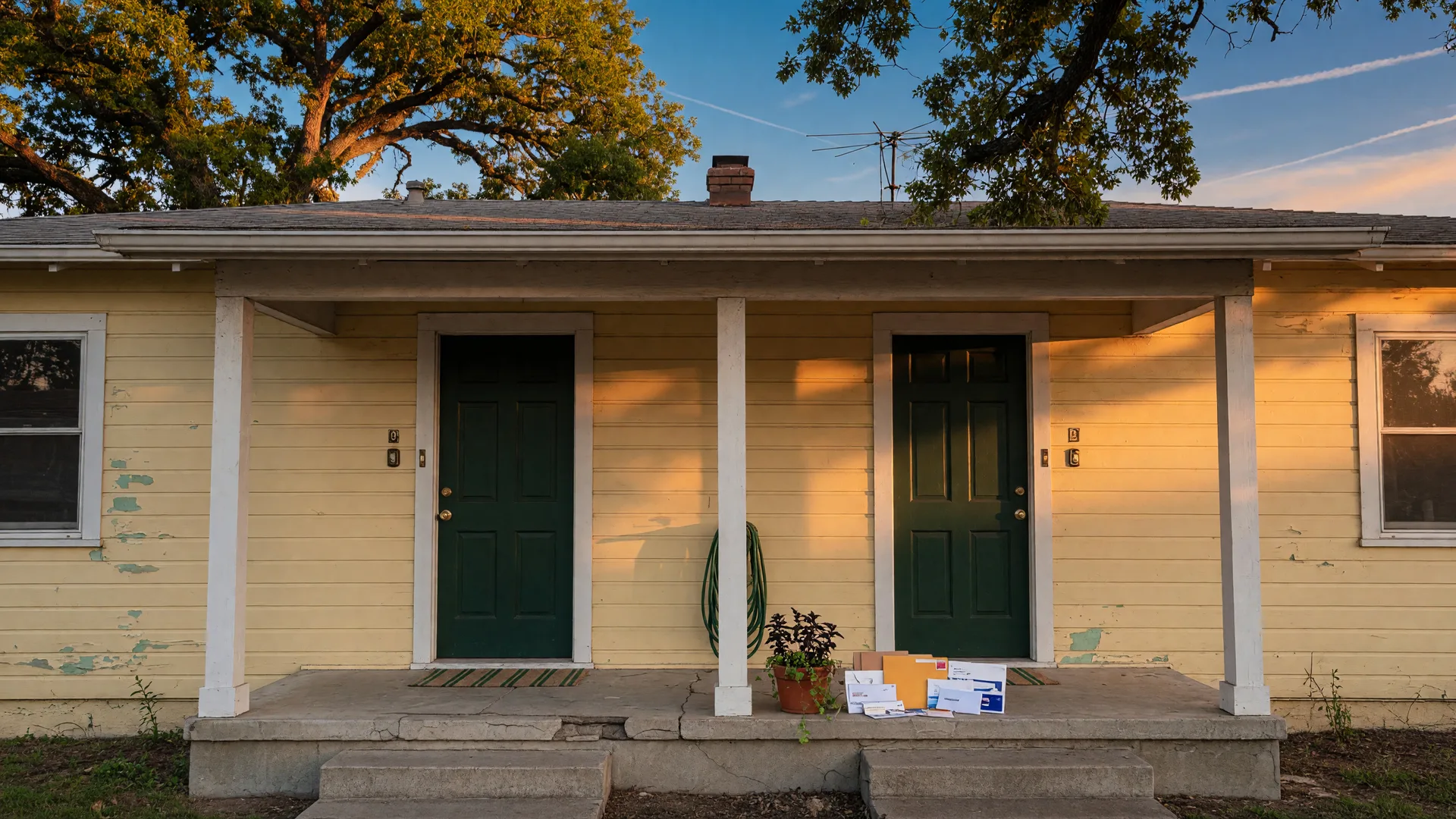
One of the quieter surprises in an inherited home is that the house was not empty. A renter, a family friend, or a long-term tenant still lives there, and their lease does not end when the owner dies. In California, the estate steps into the landlord's role, so the executor or trustee must follow the same landlord-tenant laws as any owner: correct notices, no shortcuts, and a lawful path to vacant possession. The reassuring part is that the rules are well established, and with the right plan, a tenanted estate home sells cleanly. This is general information, not legal advice.
Death does not end a lease
When the property owner dies, the lease keeps running. The personal representative in probate, or the successor trustee in a trust sale, steps into the landlord's shoes and must honor the tenancy. That protects the tenant's legal rights, and it protects the estate too: a tenancy handled lawfully is a tenancy that resolves without lawsuits or damages.
Fixed-term leases run to the end
A tenant on a fixed-term lease generally has the right to stay until the lease expires, and a buyer takes the property subject to that lease. To sell vacant sooner, the estate can negotiate a buyout: a mutually agreed payment for keys that often costs less than months of waiting and empty carrying costs. The lease should be reviewed before the sale plan is set, because the ending date shapes the whole timeline.
Month-to-month tenancies: the 30-day and 60-day notices
A month-to-month tenancy can be ended with written notice under California Civil Code Section 1946.1: 30 days for a tenant who has lived there less than a year, 60 days for a tenant of a year or more. The notice must be the right form, delivered the right way, and timed correctly against the rental period. A small mistake can reset the clock, which is why the estate attorney or a landlord-tenant attorney should review the notice before it goes out.
AB 1482: when 'just cause' applies
For many long-term tenants, the California Tenant Protection Act, AB 1482, adds another layer. In a covered unit, a tenant of 12 months or more cannot be removed without just cause, and a sale alone is not just cause. Allowed no-fault grounds, such as the owner moving in or withdrawing the unit from the rental market, can come with relocation assistance, and some California cities have their own stricter local rules. An attorney should confirm which protections apply to the specific property before the estate commits to a move-out date.
What the estate can never do
- Never change the locks, cut the utilities, or remove the tenant's belongings: self-help evictions are illegal in California and expose the estate to damages
- Never ignore the courts: if the tenant refuses to leave after proper notice, the estate files an unlawful detainer action and a judge decides
- Never hide the tenancy from buyers: an occupied property is disclosed, and the sales contract must match the reality on the ground
Sell occupied, or sell vacant?
Both paths are legitimate. A vacant, cleared home usually reaches the broadest pool of buyers and can sell for more, which is why estates often resolve the tenancy first. But some Sacramento sales go the other way on purpose, selling tenanted to an investor buyer who wants income from day one. The right choice depends on the lease, the tenant, the market, and the estate's timeline, and it is a conversation worth having early, with Diane and the estate attorney, before the listing strategy is set.
The free Probate Checklist lists the lease and property records to gather first, the Probate and Trust Sales Guide explains how occupied homes are priced and sold in probate and trust sales, and the Probate FAQ covers how tenants and occupants are handled before escrow. Diane has guided South Sacramento, Elk Grove, and Greenhaven estates through tenanted properties before, and a quick call can tell you where your family's situation stands.

Written by
Diane Taylor
Broker/Owner of Taylord Real Estate. SRES, SFR, Probate Consultant, and HUD Registered Broker, serving South Sacramento and Elk Grove for 20 years.