September 16, 2026 · By Diane Taylor
Selling an Estate Home As-Is in California: What Disclosures Still Apply
As-is does not mean no-disclosure. Here is what California estate sales actually have to reveal, and why honesty protects the estate more than repairs do.
Key facts at a glance
- As-is defined
- The buyer takes the home in its current condition and the estate makes no repair promises, but as-is never waives the duty to be honest about known problems.
- TDS exemption
- Many California probate, trust, and fiduciary sales are exempt from the seller's Transfer Disclosure Statement, but the exemption does not permit concealment.
- Disclosures that survive
- Natural Hazard Disclosure and the federal lead-based paint disclosure for pre-1978 homes still apply to estate sales, along with honest disclosure of any known material defects.
- The buyer's inspections
- In as-is sales, the buyer's home inspection does the investigating, and sharing access while disclosing what the estate knows keeps escrow smooth.
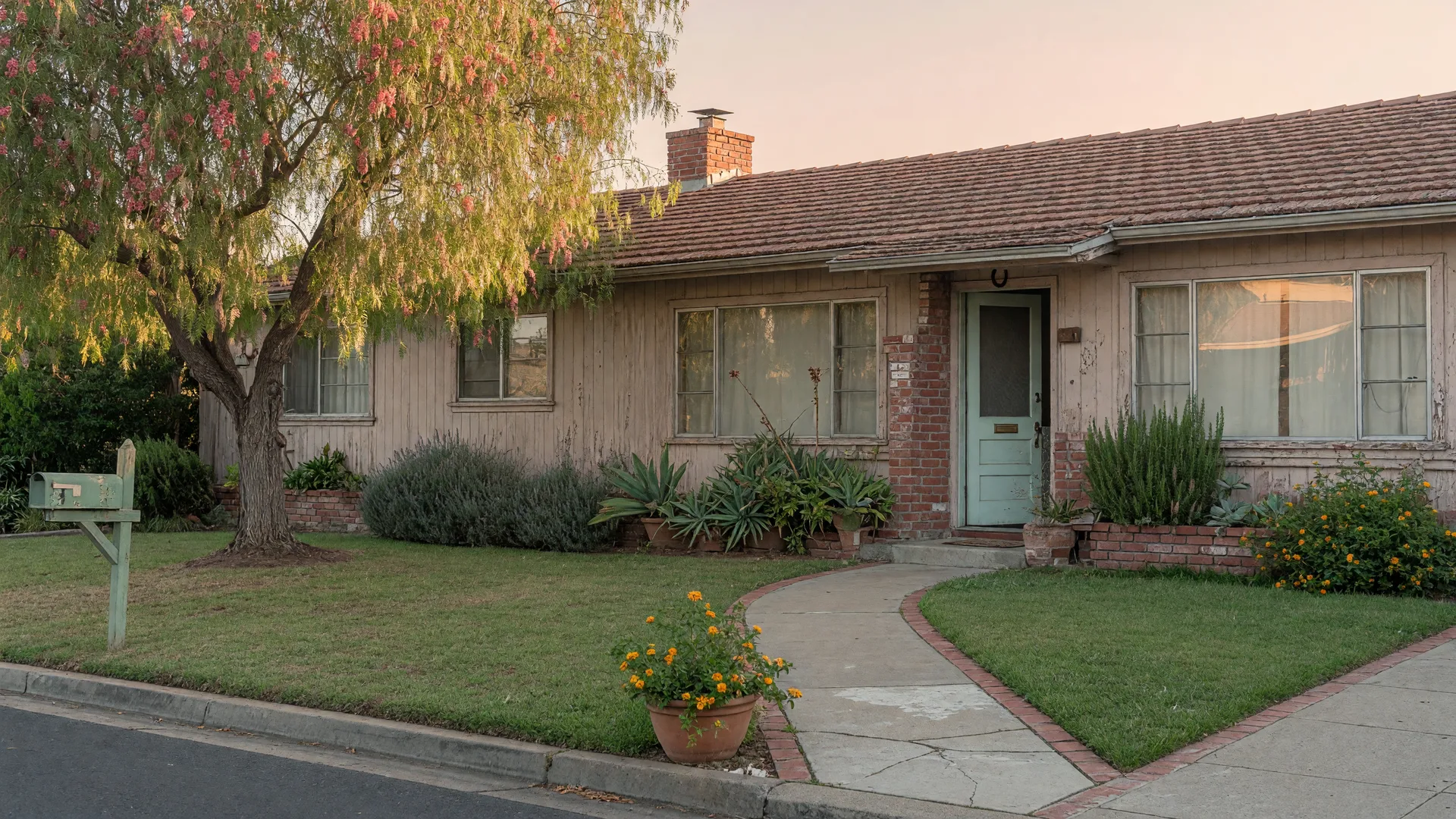
Families selling an inherited home often ask whether they can just sell it as-is and skip the disclosure paperwork. The honest answer: as-is is a powerful option, and estate sales in California are often exempt from the standard transfer disclosure statement, but as-is never wipes out every disclosure duty. Some disclosures still apply by law, and hiding a known problem is never allowed, even when no form is required. Here is the plain-language breakdown, and this is general information, not legal advice.
What as-is really means
As-is means the buyer takes the home in its current condition and the estate is not promising to make repairs. It does not mean the estate can stay silent about what it knows. California law exempts many fiduciary and court-supervised sales, including probate sales and most estate and trust transfers, from the seller's Transfer Disclosure Statement, but the exemption assumes honesty about material facts. A known roof leak, an unpermitted addition, or a failing sewer line still has to come out, because concealment is never protected.
Disclosures that still apply
- Natural Hazard Disclosure: flood, fire, earthquake fault, and other hazard-zone notices are tied to the property, not the seller, and generally still apply to estate sales
- Lead-based paint: for homes built before 1978, federal law still requires the lead-paint disclosure and a 10-day inspection opportunity, even in an as-is estate sale
- Known material facts: anything the estate or its agents actually know that would matter to a buyer, from water intrusion to code violations, still needs to be disclosed honestly
- The agents' own duty: Realtors who represent the estate must perform a reasonably competent visual inspection and disclose the material facts they find, independent of the forms
How inspections change the math
Many estate sales proceed as-is but handle the investigation through inspections: the buyer gets a home inspection, and the price reflects the findings. Because the estate is selling without much knowledge of the property's history, sharing access for inspections and being honest about what the family does know usually produces a cleaner sale with fewer surprises at escrow. Some families also choose to give the buyer a written statement of what they do know, which is never required but often reassuring.
Why it matters for inherited homes
An inherited home often sat empty, sometimes for months, which means the estate genuinely does not know about conditions that a lived-in home would reveal. Nobody expects the family to have renovation records, but the sale works best when everything known is shared and everything unknown is discoverable through inspections. That kind of honest marketing protects the estate from post-closing disputes and keeps the sale from collapsing late in escrow.
Planning an as-is estate sale? The free Probate Checklist includes the property records to locate, the Probate and Trust Sales Guide explains how condition affects probate and trust pricing, and the Probate FAQ answers what the estate can and cannot promise. Diane has priced and sold as-is estate homes across South Sacramento and Elk Grove for 20 years, and she will tell you exactly what your family should disclose, inspect, and fix.

Written by
Diane Taylor
Broker/Owner of Taylord Real Estate. SRES, SFR, Probate Consultant, and HUD Registered Broker, serving South Sacramento and Elk Grove for 20 years.