September 23, 2026 · By Diane Taylor
Can You Transfer a Sacramento Home Without Probate? The Small Estate Affidavit, Explained
Not every inherited home goes through full probate. When the estate is modest, a recorded affidavit may transfer the house with far less court time. Here is how it works.
Key facts at a glance
- The $208,850 cap
- Since April 1, 2025, the California small estate limit is $208,850 in gross value, excluding property that passes outside probate such as joint tenancy, life insurance, and trust assets.
- Real property waits six months
- The affidavit for a home can be recorded only after at least six months from the date of death; personal property can often move after 40 days.
- Recording completes the transfer
- The signed affidavit is recorded with the Sacramento County Recorder's office, and recording is what transfers title, subject to the estate's debts.
- Not a debt eraser
- The home transfers subject to what the estate owes, including a mortgage or a Medi-Cal recovery claim, and title companies review the paperwork closely.
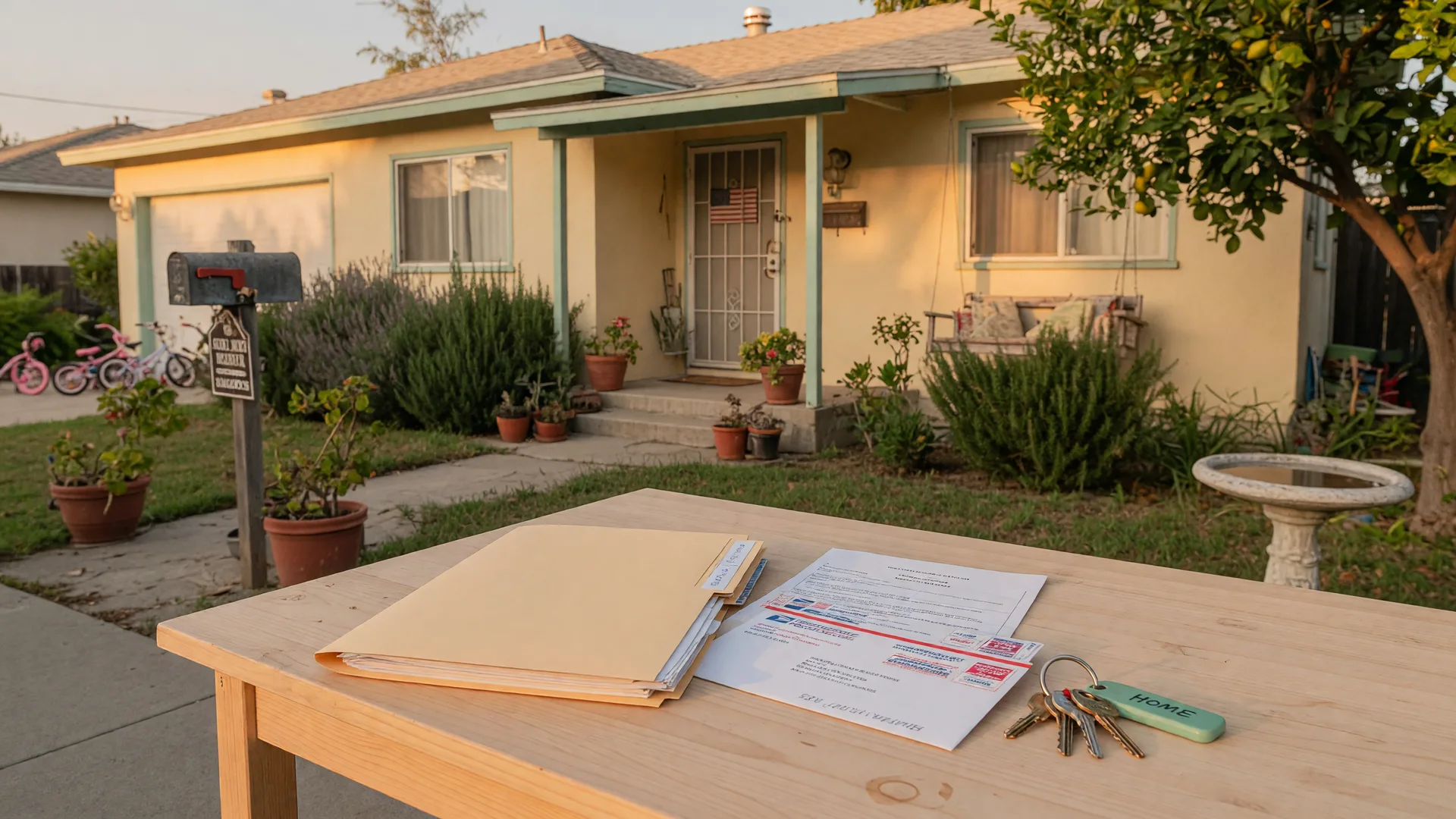
When a parent passes away and the estate is modest, full probate may not be required. Under California's small estate affidavit rules, Probate Code Sections 13100 to 13116, the family can transfer an inherited home by preparing and recording an affidavit rather than opening a probate case with the Sacramento County Superior Court. The catch: the estate has to fit under a specific dollar limit, and the waiting period and paperwork are strict. This is general information, not legal advice, and an estate attorney should confirm the family's exact situation.
The number that matters: the $208,850 limit
Since April 1, 2025, the small estate cap for California is $208,850 in gross value, up from the old $184,500 limit. The count includes the decedent's California real and personal property, then excludes items that pass outside probate, such as joint tenancy property, life insurance, and assets already held in a trust. If the total fits under the cap, the affidavit route may be open; if it exceeds the cap, formal probate is generally required. The limit is adjusted for inflation, and the numbers must be confirmed with the estate attorney before anyone relies on them.
The six-month wait, and the 40-day exception
For a home, the affidavit cannot be recorded until at least six months after the date of death. Personal property can often move after 40 days, but real property waits the full six months so creditors and other heirs have time to come forward. The window cannot be rushed, and the affidavit route is only available where no probate proceeding is pending and none has already been completed for the estate.
The steps, in order
- Certified death certificate: obtain a certified copy, because the county recorder and the title company will want proof of death
- Probate referee appraisal: because real property is involved, the home needs an inventory and appraisal prepared under Probate Code Section 13103, typically by a court-appointed probate referee
- The signed affidavit: the person seeking the transfer signs under penalty of perjury, stating the decedent's name, the relevant dates, that six months have passed, that no probate is pending, and that the estate is within the cap
- Recording: the affidavit is recorded with the Sacramento County Recorder's office, and recording is what completes the transfer of title
- Notifying the other heirs: everyone entitled to a share receives notice, because the affidavit transfers title subject to the decedent's debts
A newer, separate shortcut for the family home
For deaths on or after April 1, 2025, California also added a streamlined petition route, Probate Code Sections 13150 to 13157, that can transfer a qualifying primary residence valued at $750,000 or less without full probate. It is a different path from the small estate affidavit, with its own filing and court steps, and some title insurers have been cautious about it while it is new. Families should ask the estate attorney which route fits the home, because choosing the wrong one costs time.
What the affidavit does not do
The small estate affidavit does not erase debt. The home transfers subject to what the estate owes, including a mortgage balance or a Medi-Cal recovery claim, and the title company will review every signature and date closely. The route works best for a clearly modest estate with family agreement and clean records. When the numbers are close to the cap, or the paperwork is tangled, formal probate with an attorney is usually the steadier choice.
If your parent's estate might fit under the limit, the free Probate Checklist shows the documents to gather first, the Probate and Trust Sales Guide explains how trust and probate paths differ, and the Probate FAQ answers whether probate can be avoided. Diane has helped families across South Sacramento, Elk Grove, and Greenhaven sort out exactly this decision, and a conversation about your numbers costs nothing.

Written by
Diane Taylor
Broker/Owner of Taylord Real Estate. SRES, SFR, Probate Consultant, and HUD Registered Broker, serving South Sacramento and Elk Grove for 20 years.