October 14, 2026 · By Diane Taylor
The First 30 Days After a Parent Dies: A Practical Checklist for Sacramento Families
The first month after a parent dies is about securing, not deciding. Here is what actually needs to happen with the family home in the first 30 days, and what can wait.
Key facts at a glance
- Secure first, decide later
- The first 30 days are about protecting the home and the paperwork, not about selling, sorting, or distributing anything.
- Death certificates are the key
- Order 10 to 12 certified copies up front, because banks, insurers, the Assessor, and the court each require their own.
- The Assessor deadline
- The representative should notify the Sacramento County Assessor within 150 days of the death using the death-of-owner change in ownership statement.
- Insurance is the most urgent bill
- A lapsed homeowner's policy is the most common avoidable loss after a death, so confirm coverage in the first week.

When a parent dies, the first month feels like a fog, and the family home sits at the center of it. The comforting truth is that almost nothing about the house needs to be decided in those first 30 days, but a handful of things do need to be done: the home should be secured, the bills should be watched, and the right people should be told. Getting those small things handled early gives the family room to breathe, and room to decide the bigger questions later. This is general information, not legal advice, and the estate attorney should confirm what applies to your situation.
The first week: secure the home and the paperwork
- Order certified copies of the death certificate, at least 10 to 12, because banks, insurers, the Assessor, and the court each want their own
- Find the will, the trust, and the deed, and note who the documents name as executor or successor trustee
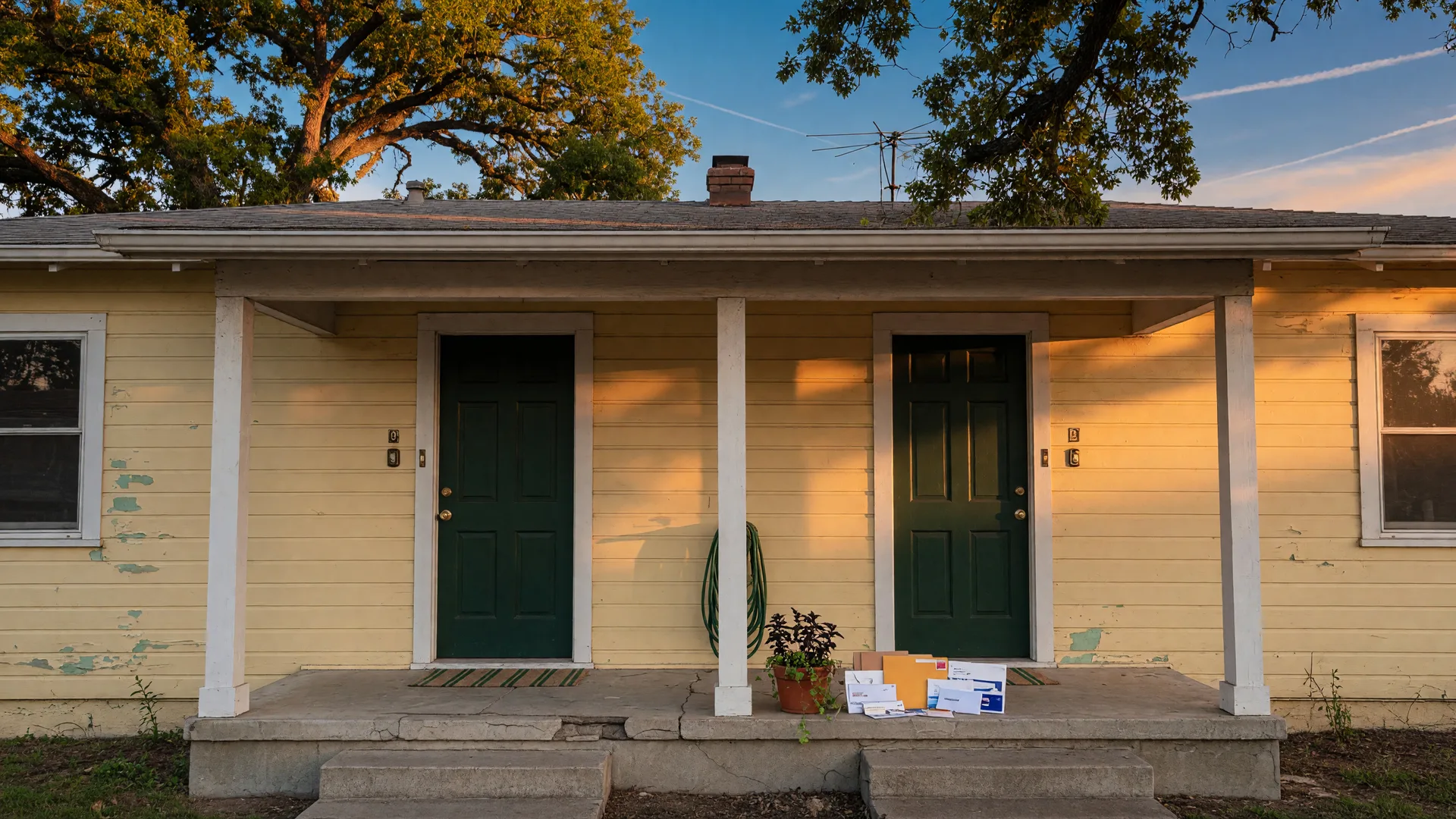
- Secure the house: change nothing yet, but lock up, collect the mail, and ask a neighbor or family member to keep an eye on the property
- Call the homeowner's insurance agent to confirm the policy is current, because a lapse in coverage is the most common avoidable loss after a death
- Take care of the immediate living things: pets, plants, and anything time-sensitive in the home
The first month: tell the people who need to know
- Notify the Sacramento County Assessor within 150 days of the death, using the Change in Ownership Statement for the death of a real property owner, with the death certificate, will, and trust documents
- Tell the mortgage servicer that the owner has died, so the account is flagged and statements route correctly
- Contact Social Security, the pension administrator, and Medicare about the death, and stop automatic payments from the deceased's accounts
- Let the bank know, so the estate account can be set up and the household bills can keep being paid
- Keep a simple list of every call and every document, because the estate accounting will thank you later
What can wait
Everything else can wait, truly. Sorting belongings, deciding whether to sell or keep the home, listing the house, and distributing anything to family all happen on the estate's timeline, which in California is measured in months, not days. The first 30 days are about protecting what your parent built, not about wrapping it up. When the family is ready, the step-by-step guide to selling a probate home and the realistic Sacramento timeline lay out how the rest unfolds.
The kind way to do it
The paperwork of loss is heavy, and no one should carry it alone. The free Probate Checklist turns the first weeks into a simple list, the Probate FAQ answers the questions that come up at 11 p.m., and the Probate and Trust Sales Guide explains what happens to the home when the estate is ready to move it. Diane has guided Sacramento families through exactly this first month for 20 years, and a conversation about your parent's home costs nothing.

Written by
Diane Taylor
Broker/Owner of Taylord Real Estate. SRES, SFR, Probate Consultant, and HUD Registered Broker, serving South Sacramento and Elk Grove for 20 years.