
September 16, 2026 · By Diane Taylor
Inherited Home With a Mortgage: Can the Family Keep the Loan?
A mortgage does not vanish when a parent dies, and some heirs panic. The good news: family members who inherit are usually protected from the loan being called due. Here is how it works.
Key facts at a glance
- The loan survives
- A mortgage stays attached to the home when the owner dies. Heirs are not personally responsible unless they co-signed, but payments must keep being made or the loan can default.
- Garn-St. Germain protections
- A federal law that generally stops lenders from calling a loan due when a home passes to family by inheritance, so heirs can usually keep the existing payments without refinancing.
- Three paths
- Keep the payments going, refinance or pay off the balance, or sell the home and repay the loan from the proceeds at closing.
- What breaks the protection
- Missed payments still lead to default, and non-family transfers may allow the lender to demand repayment.
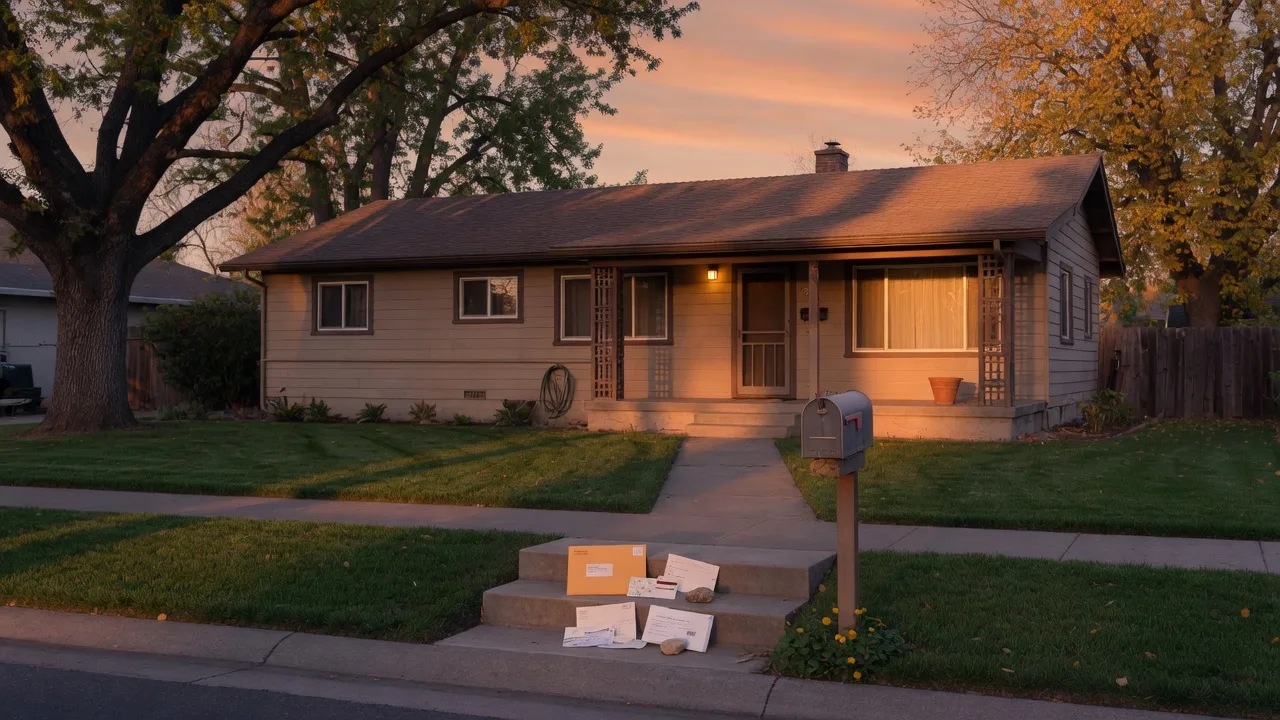
The mail keeps coming to the family home, and among the bills is a mortgage statement. The loan does not disappear when the borrower passes; it stays attached to the property, and someone has to keep the payments current until the home is sold or the loan is paid off. The reassuring news for most families: a mortgage generally cannot be called due just because the heirs inherit the house. Here is the plain-language version of how keeping, refinancing, or paying off the loan actually works.
The loan stays with the house
The home remains the collateral for the loan, and the estate keeps the payments current from its own funds while the family decides what to do. Heirs are not automatically personally responsible for the debt unless they co-signed the loan, but an unpaid mortgage can default and lead to foreclosure, so the estate needs a plan. The executor or trustee should let the lender and servicer know about the death, provide a copy of the death certificate when asked, and keep written records of every payment made during the estate.
Inherited transfers are usually protected
Under the federal Garn-St. Germain Act, lenders generally cannot enforce a due-on-sale clause, the provision that lets them demand full repayment, when property passes by inheritance to family. Transfers to a spouse or children who become owners, transfers to a relative because of the borrower's death, and transfers by devise or descent normally keep the loan in place on the same terms rather than triggering a payoff demand. The practical result: an heir who wants to keep the family home can usually continue the existing payments without refinancing, though the servicer may ask for the death certificate and proof of the family relationship.
The three realistic paths
- Keep the payments going: an heir can continue the loan on its current terms under the Garn-St. Germain protections, without being required to refinance
- Refinance or pay it off: an heir who wants the loan in their own name, or who wants the home free and clear, can refinance or pay the balance
- Sell the home: the sale proceeds repay the mortgage at closing, and everything left after the loan, fees, and taxes belongs to the estate and the heirs
What can force the issue
The streamlined path assumes the payments are actually being made. When the estate stops paying, the servicer can still start default proceedings, because protecting family transfers never excuses missed payments. It also helps to know the protections apply to family inheritances; an unrelated person who comes to own the house through a transfer outside the family may face a payoff demand. Checking the loan balance, the interest rate, and the remaining term early tells the family whether keeping the home is affordable or whether a sale is the honest choice.
Why Sacramento families should check the loan first
A mortgage is one number, but it often decides the whole conversation. Diane has seen Elk Grove and South Sacramento families keep the family home comfortably, and she has seen the same home sell quickly because the numbers made keeping it a strain. Knowing the payoff, the payment, and the home's current value before anyone picks a side keeps the decision kind and clear.
The free Probate Checklist lists the loan documents to gather first, the Probate and Trust Sales Guide explains how mortgage balances are paid in probate and trust sales, and the Probate FAQ answers how estate debts are handled. If the numbers point toward selling, Diane can show you what the home is worth today and how the proceeds will square up the loan and the estate.

Written by
Diane Taylor
Broker/Owner of Taylord Real Estate. SRES, SFR, Probate Consultant, and HUD Registered Broker, serving South Sacramento and Elk Grove for 20 years.