
October 28, 2026 · By Diane Taylor
Inherited a Home in Sacramento? The Property Tax Deadlines That Matter This Winter
November 1 is the first big date on the Sacramento County property tax calendar, and an inherited home follows it like any other. Here is who pays, by when, and what the penalty looks like if the date slips.
Key facts at a glance
- First installment: due November 1
- The first half of the annual secured property tax bill becomes delinquent after 5 p.m. on December 10, when a 10 percent penalty and a $15 cost attach.
- Second installment: due February 1
- The second half becomes delinquent after 5 p.m. on April 10 with the same 10 percent penalty, and the county sends no separate reminder for it.
- The estate pays
- The executor or administrator is responsible for paying the tax from estate assets, and the county accepts payment from any party, including heirs who want to protect the home.
- Missed bills become tax-defaulted
- Taxes unpaid after June 30 enter prior-year delinquency with rising redemption penalties, so the deadlines matter even while probate is open.
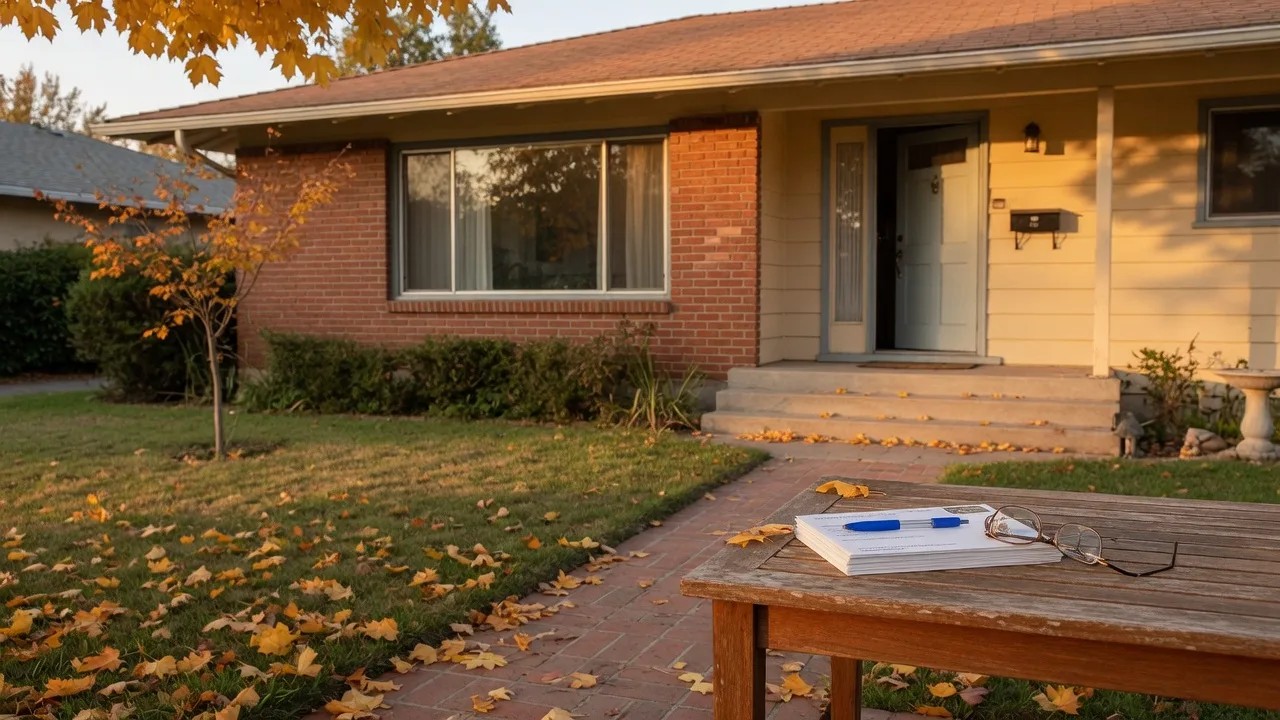
November 1 is the first big date on the Sacramento County property tax calendar, and an inherited home does not get a pass on it. The bill may still be in your parent's name, the house sits in the estate, and the first installment is due November 1, becoming delinquent after 5 p.m. on December 10. The responsible party is the estate itself: the executor or administrator pays the tax from estate funds, and heirs who want to protect the home can also pay the county directly. This is general information, not legal advice, and the estate attorney should confirm what applies to your family's estate.
The two deadlines that matter this winter
Sacramento County mails one annual secured property tax bill in October, and it carries two halves. The first installment is due November 1 and can be paid without penalty until 5 p.m. on December 10. The second installment is due February 1 and can be paid without penalty until 5 p.m. on April 10. The county does not send a separate reminder for the second half, so mark both dates on your own calendar the day the bill arrives. Non-receipt of the bill does not excuse a late payment, so if your parent's bill went to an old address, contact the Tax Collector for a copy before the deadline.
Who pays the tax while the estate is open
The executor named in the will, or the administrator appointed by the court when there is no will, is responsible for keeping the property tax current from estate funds. The payment usually comes out of the estate checking account and is recorded in the estate accounting. Heirs do not have to wait for formal probate to be safe: the Sacramento County Tax Collector accepts payment on a property from any party, so a family member can pay the installment directly to keep the home out of default, then be reimbursed by the estate or at closing.
What the penalty actually costs
Each installment that misses its delinquency date picks up a 10 percent penalty plus a $15 cost. On a $4,000 first installment, that is $400 in penalty plus the cost, on top of the tax itself. Let the same thing happen to the second installment and the estate pays twice. When money is already tight, small efforts like a calendar reminder on October 15 prevent penalties that run into hundreds of dollars.
What happens if the tax goes unpaid too long
After June 30, unpaid secured taxes become prior-year delinquencies, the home moves toward tax-defaulted status, and redemption penalties begin accruing at 1.5 percent per month. The five-year redemption window lets the estate pay the full amount and reclaim clear title, but the longer the bills sit, the more the estate owes. The full walkthrough is in Unpaid Property Taxes on an Inherited Home in Sacramento County, which covers what to do when taxes were already behind at the time of death.
How the property tax fits the eventual sale
When the home sells, the property tax is prorated at closing and the current installment is settled through escrow, so the estate is not left holding a bill after the keys change hands. Keep the payment records in the estate file either way. And paying the current bill is separate from the reassessment question: the Assessor revalues the home on transfer, and Proposition 19 decides whether a parent-to-child transfer keeps the old assessed value. The Sacramento County property tax guide walks through both sides of the calendar.
The free Probate Checklist includes the property records to gather and the deadlines to track, the Probate FAQ explains who holds the authority to pay estate bills, and the Probate and Trust Sales Guide shows how taxes and liens are settled at closing. Diane has helped South Sacramento, Elk Grove, Greenhaven, and Galt families stay ahead of the county's property tax deadlines for 20 years, and a free consultation starts with a phone call.

Written by
Diane Taylor
Broker/Owner of Taylord Real Estate. SRES, SFR, Probate Consultant, and HUD Registered Broker, serving South Sacramento and Elk Grove for 20 years.