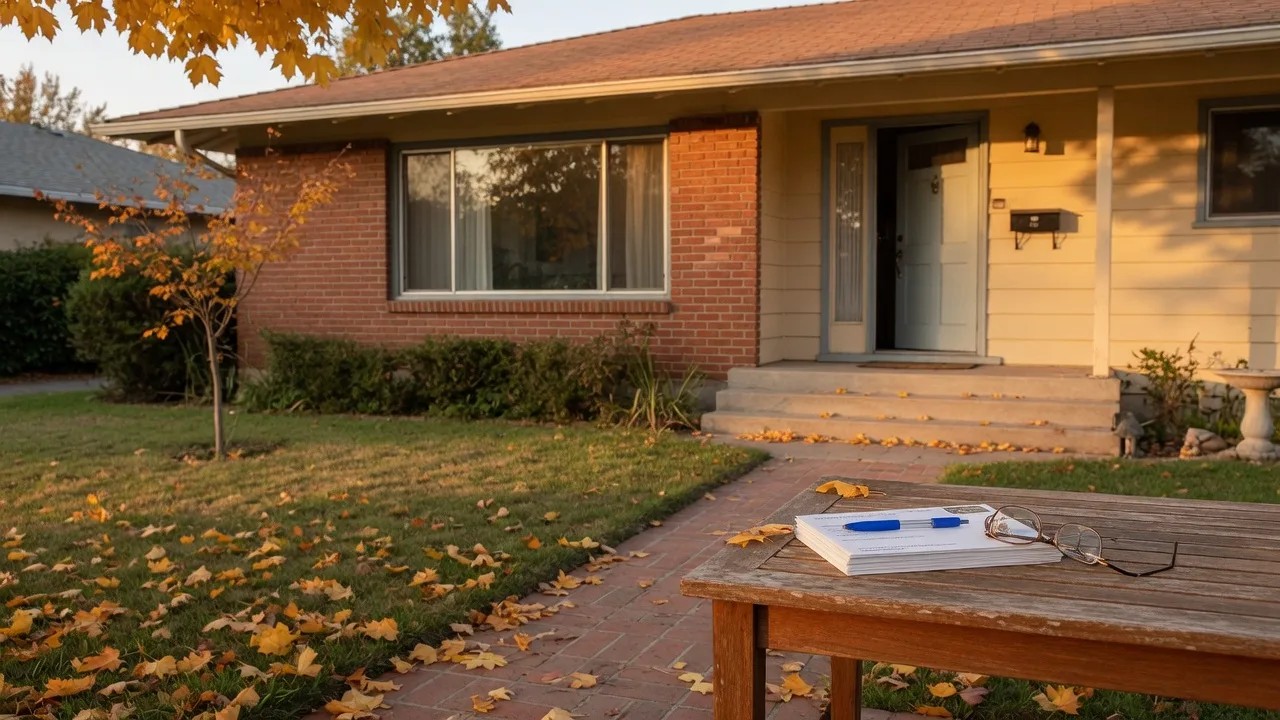
October 28, 2026 · By Diane Taylor
Who Pays the Mortgage and Utilities on an Inherited Home While Probate Is Open?
The house is in the estate's name now, and so are its bills. Here is who pays the mortgage, utilities, and insurance during probate, what heirs do and do not personally owe, and what happens if the payments stop.
Key facts at a glance
- The estate pays
- The executor or administrator keeps the mortgage, property taxes, homeowners insurance, HOA dues, and utilities current from estate funds, with every payment tracked in the estate accounting.
- Heirs are usually not personally liable
- Inheriting a home does not make heirs personally responsible for the decedent's loan or utility accounts, unless they co-signed, assumed the loan, or took ownership.
- Garn-St. Germain protects the loan
- Under federal law, a lender generally cannot call the mortgage due or foreclose just because the owner died and the home passed to a spouse or child by inheritance.
- Unpaid bills put the home at risk
- If the mortgage stops being paid, the loan goes into default and the lender can begin foreclosure even while probate is open, so keeping bills current protects the estate.
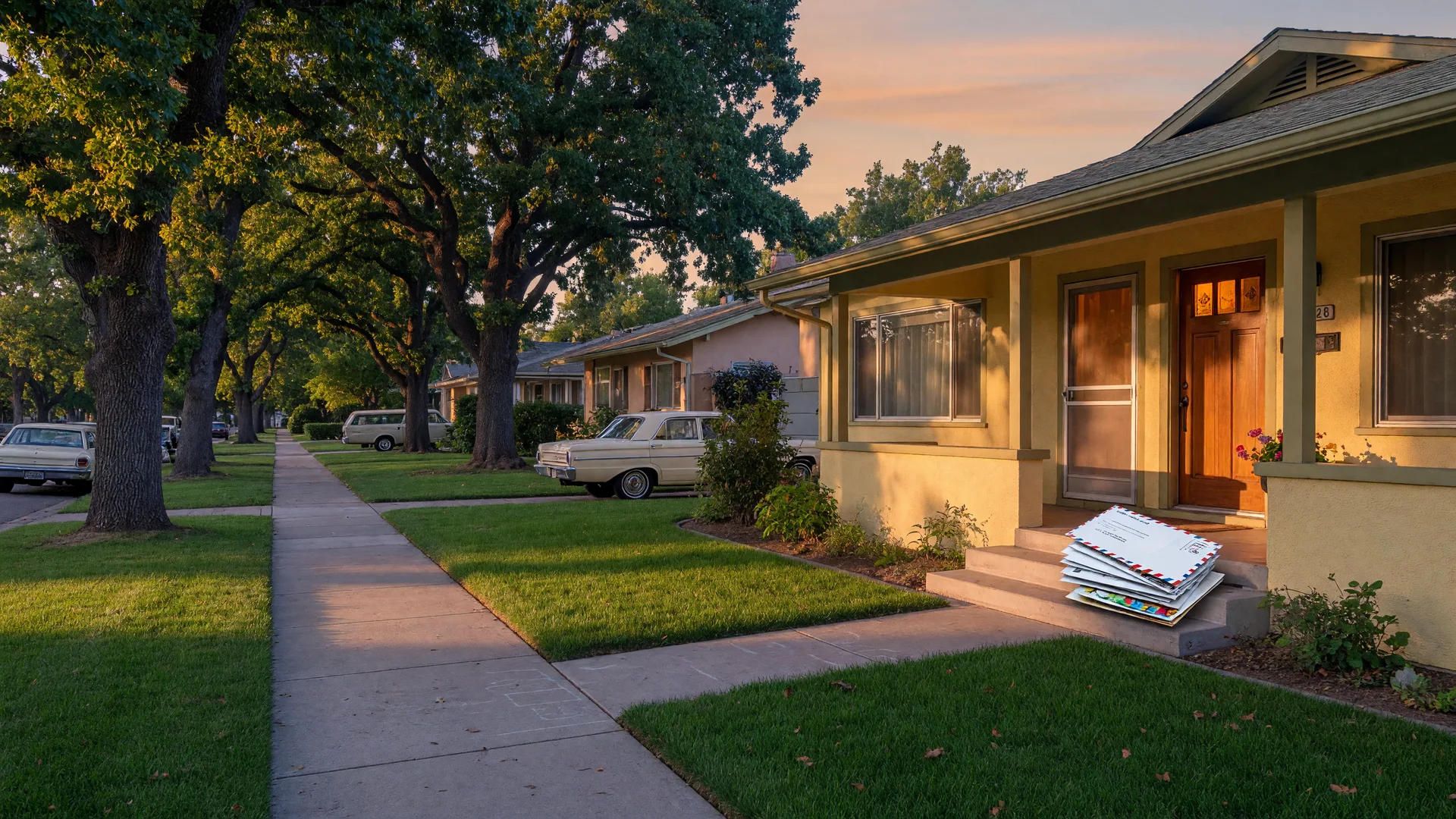
A home in probate comes with bills that do not stop for grief: the mortgage, the property taxes, the homeowners insurance, the utilities, and sometimes HOA dues. Two misunderstandings cause most of the trouble. One is that the heirs must personally cover everything, and the other is that nobody has to pay until the estate closes. The truth is in between: the estate pays, through the executor or administrator, and heirs are generally not personally liable, but a home with no one paying loses value quickly and can face foreclosure. This is general information, not legal advice, and the estate attorney should confirm what applies to the specific estate.
The estate pays the mortgage
The personal representative is responsible for keeping the mortgage current from estate assets. Payments go out of the estate bank account, alongside the property tax, insurance, and utilities, and every payment is accounted for in the estate record. Being the executor does not make someone personally responsible for the loan; the obligation belongs to the estate, and the representative is not required to use personal money unless they co-signed the loan or made it personal.
What heirs are personally on the hook for
Inheriting a home does not make heirs personally responsible for the decedent's mortgage or utility accounts. The exceptions are specific: a family member who co-signed or refinanced with the parent, an heir who formally assumes the loan, or an heir who moves into the home and takes the accounts into their own name. Short of that, the estate is the responsible party, and heirs can choose to help without becoming liable.
Garn-St. Germain: the lender cannot call the loan due on death
A common fear is that the bank will demand the full loan the moment the owner dies. Under the federal Garn-St. Germain Act, a lender generally cannot accelerate the loan or start foreclosure just because the property passed by inheritance to a spouse or child. Heirs can keep making the payments under the original terms and can even live in the home. Inherited Home With a Mortgage: Can the Family Keep the Loan? goes deeper into when the loan can stay and when it has to be dealt with.
Utilities, insurance, and the little bills
The water, power, and gas accounts should usually stay on while the estate decides what to do, because a fully dark home is harder to insure, harder to show, and easier to damage. Keep the insurance current, and tell the insurer the home is vacant: most policies limit vacancy to 30 to 60 days, and a home that sits longer needs a vacancy endorsement or a different policy. The Inherited Home Sits Empty covers the insurance and security details families need before the home sells.
If the payments stop
The real risk is not the bank calling the loan, it is the loan going unpaid. When a mortgage falls into default, the lender can begin foreclosure even while probate is open, and mortgage servicers generally do not file the first paperwork until a loan is more than 120 days delinquent, which gives the estate a narrow but real window to act. Property taxes keep accruing too, and an unpaid tax bill adds a county claim to the estate. None of this is inevitable: a straightforward conversation with the loan servicer, the insurer, and the estate attorney usually keeps everything current while the family decides what to do.
The Probate FAQ answers who holds the authority to manage estate money and property, the free Probate Checklist includes the bills and accounts to inventory in the first weeks, and the Probate and Trust Sales Guide shows how the mortgage and taxes are settled when the home sells. Diane has helped Sacramento families keep inherited homes safe and current for 20 years, and a call about your family's situation costs nothing.

Written by
Diane Taylor
Broker/Owner of Taylord Real Estate. SRES, SFR, Probate Consultant, and HUD Registered Broker, serving South Sacramento and Elk Grove for 20 years.