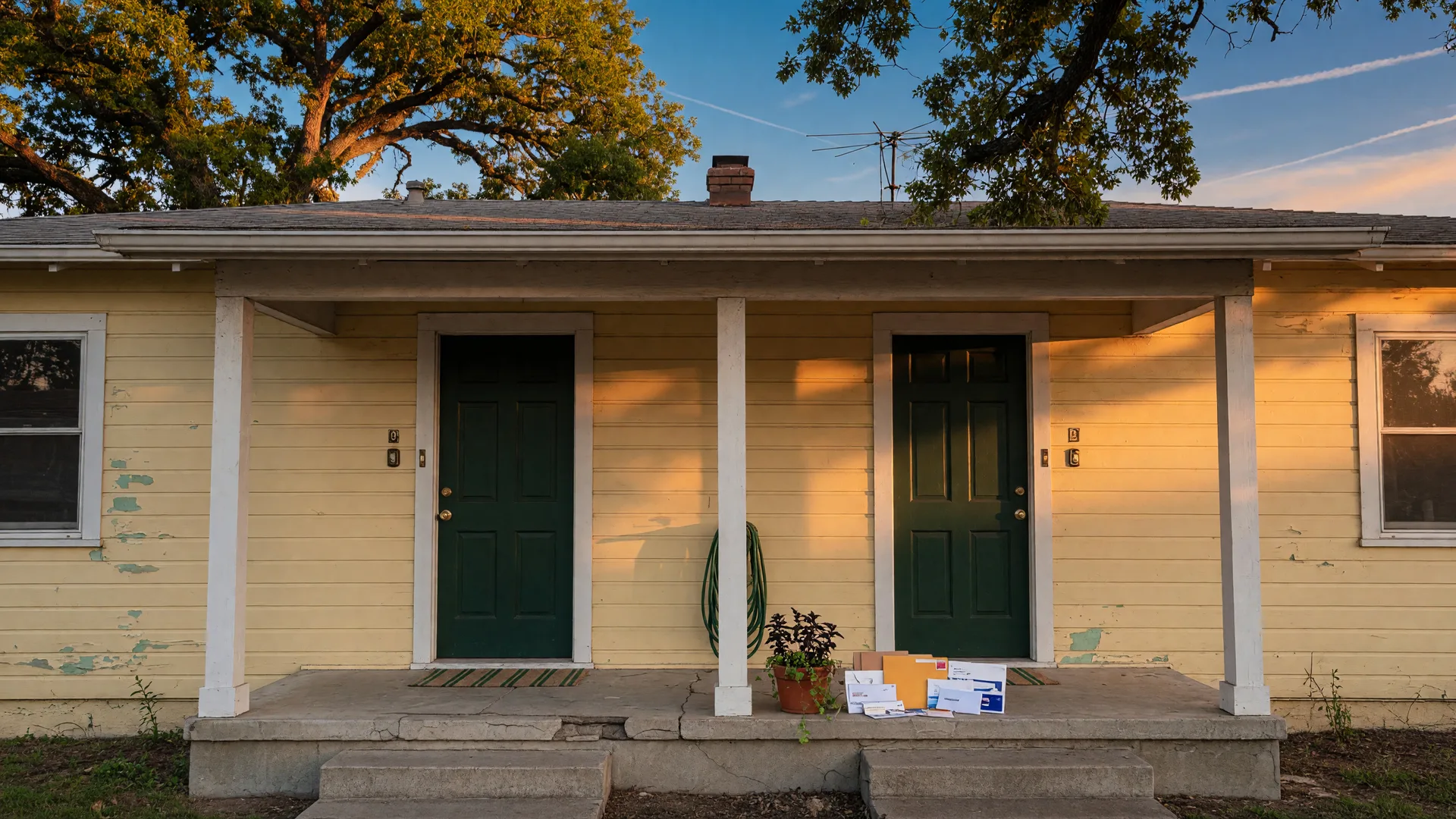
October 14, 2026 · By Diane Taylor
Unpaid Property Taxes on an Inherited Home in Sacramento County: What Heirs Should Do
The property tax bill does not disappear when the owner dies. It follows the house. Here is what happens in Sacramento County when taxes go unpaid, and what heirs can do about it.
Key facts at a glance
- The bill follows the house
- Unpaid property taxes are a lien on the parcel, so the balance stays with the home after the owner dies and must be settled by the estate, the heirs, or the sale proceeds.
- Two installments, two deadlines
- The first installment is due November 1 and delinquent after December 10; the second is due February 1 and delinquent after April 10, each with a 10 percent penalty.
- Tax-defaulted after June 30
- Any secured taxes still unpaid at the end of the county fiscal year put the home into tax-defaulted status on July 1, with redemption penalties of 1.5 percent per month.
- Five years to redeem
- The owner or any interested party, including heirs, has five years from the default date to redeem the property, and Sacramento County offers a five-year installment payment plan.
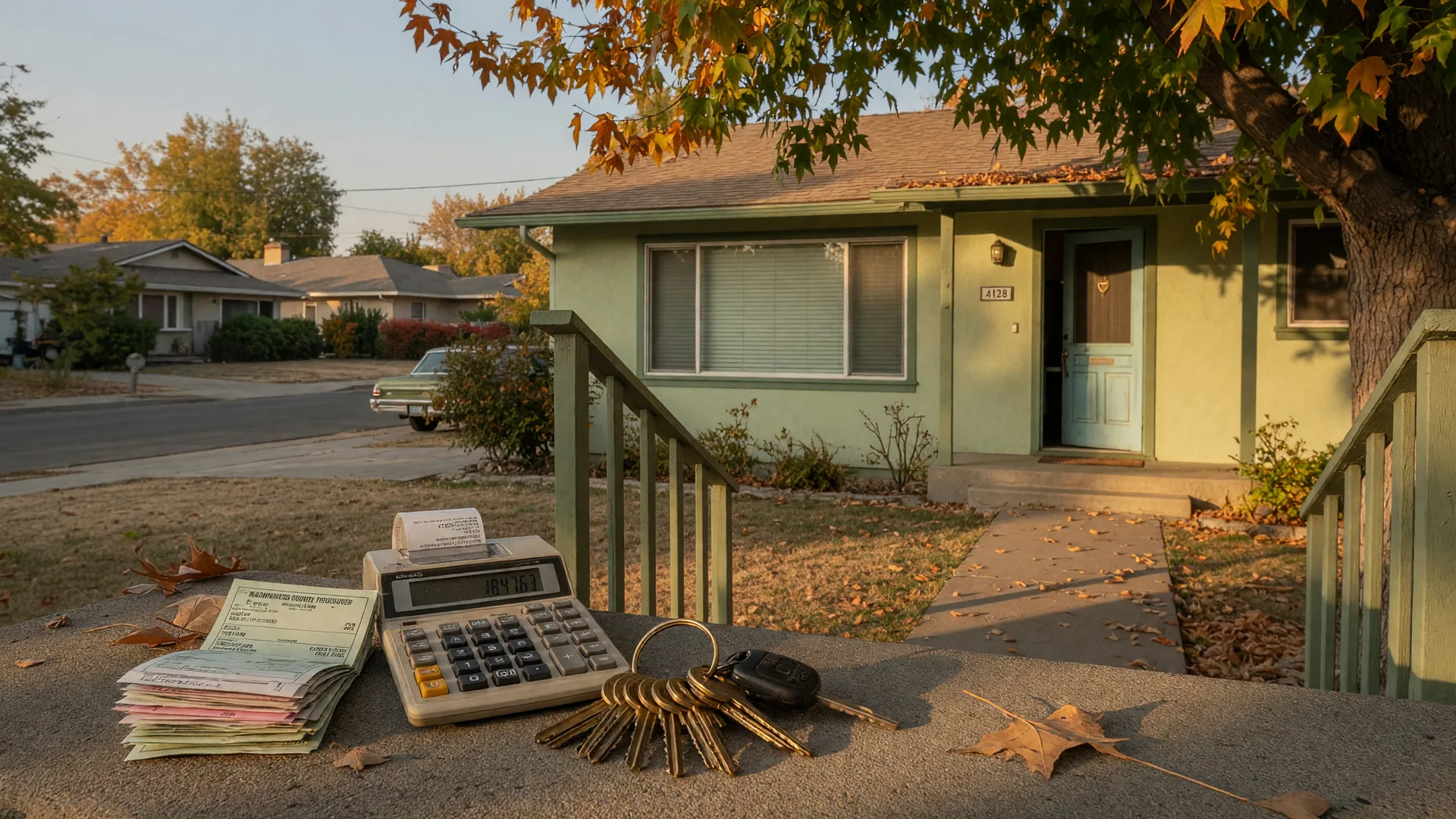
A parent dies, and somewhere in the stack of mail is a property tax bill the family was not expecting. The honest answer is that unpaid property taxes do not vanish at death: the bill is a lien on the home itself, and it follows the house no matter who owns it next. In Sacramento County the good news is that there are clear deadlines, clear penalties, and a long window to make things right. Acting early, even with a small payment or a call to the Tax Collector, keeps a family home from sliding toward a tax sale. This is general information, not legal advice, and the estate attorney should confirm what applies to your situation.
The tax bill follows the house, not the owner
Property taxes are secured to the parcel, which means the county can collect them from the property itself if they are not paid. When the owner dies, the bill becomes the estate's responsibility, and if the estate has cash it pays from estate funds. If the estate is short on cash, the sale of the home usually settles the balance at closing, and heirs may also pay directly. The mistake families make is assuming the bill went away with the owner, then discovering months later that penalties have been stacking up.
Sacramento County's two-installment calendar
Sacramento County sends one annual secured bill, payable in two installments. The first is due November 1 and becomes delinquent after December 10. The second is due February 1 and becomes delinquent after April 10. Each installment left unpaid after its delinquency date earns a 10 percent penalty, and the second installment also picks up a small cost fee. A bill paid a week late is not a disaster, but a bill ignored for months is a different story.
- First installment: due November 1, delinquent after December 10
- Second installment: due February 1, delinquent after April 10
- 10 percent penalty on each installment that misses its delinquency date
- A small cost fee on the second installment when it is late
- Payments can be made online, by mail, or in person at the Sacramento County Tax Collector
When a home becomes tax-defaulted
If any part of the annual secured taxes is still unpaid when the county fiscal year ends on June 30, the home becomes tax-defaulted on July 1. From that point the parcel moves to the redemption tax roll, a one-time redemption fee is added, and the defaulted amount accrues redemption penalties of 1.5 percent per month, about 18 percent a year, until it is paid. The property is not sold immediately: California gives the owner, or anyone with an interest in the property, five years from the default date to redeem it by paying the taxes, penalties, and costs. Sacramento County also offers a five-year installment payment plan for most prior-year delinquencies, and while that plan is in good standing the home cannot be sold under the power to sell.
What heirs should do first
- Find the bill: look up the parcel on the Sacramento County Tax Collector website to see the exact balance, including any penalties
- Pay the current installment if you can, even a partial payment starts the conversation
- Notify the Assessor within 150 days of the death using the Change in Ownership Statement for the death of a real property owner, with the death certificate, will, and trust documents
- Call the Tax Collector about redemption and the five-year installment plan if the home is already tax-defaulted
- Keep every receipt and confirmation, because the estate accounting will want them at closing
The kind way to handle it
Nobody plans to inherit a tax bill, and no family should face one in silence. The county's deadlines are firm but fair, and a quick call to the Tax Collector answers most questions in minutes. The free Probate Checklist includes the property records to gather and the deadlines to track, the Probate FAQ explains who holds the authority to pay estate bills, and the Probate and Trust Sales Guide shows how taxes and liens are settled at closing. For the reassessment side of the same story, the Sacramento County property tax guide and the article on Proposition 19 and inherited homes explain what the Assessor will review. Diane has helped South Sacramento and Elk Grove families sort out inherited-home taxes with the county for 20 years, and a free consultation starts with a phone call.

Written by
Diane Taylor
Broker/Owner of Taylord Real Estate. SRES, SFR, Probate Consultant, and HUD Registered Broker, serving South Sacramento and Elk Grove for 20 years.