September 23, 2026 · By Diane Taylor
The Probate Confirmation Hearing: How Overbids Work in Sacramento
In many probate sales an accepted offer is not the finish line. When the estate has limited authority, the court confirms the sale, and other buyers can overbid. Here is how it works.
Key facts at a glance
- Confirmation is about authority
- With full IAEA authority a representative can generally sell through the notice of proposed action process without a confirmation hearing; with limited authority the sale must be confirmed by the court.
- The 90 percent floor
- On a court-confirmed sale, the price generally cannot fall below 90 percent of the probate referee's appraised value.
- How overbids start
- The first overbid must beat the accepted price by 10 percent of the first $10,000 plus 5 percent of the amount above $10,000; on a $600,000 offer that means at least $630,500.
- The 10 percent deposit
- The buyer deposits 10 percent with the offer, and the successful bidder deposits 10 percent of the winning bid with the court clerk at the hearing.
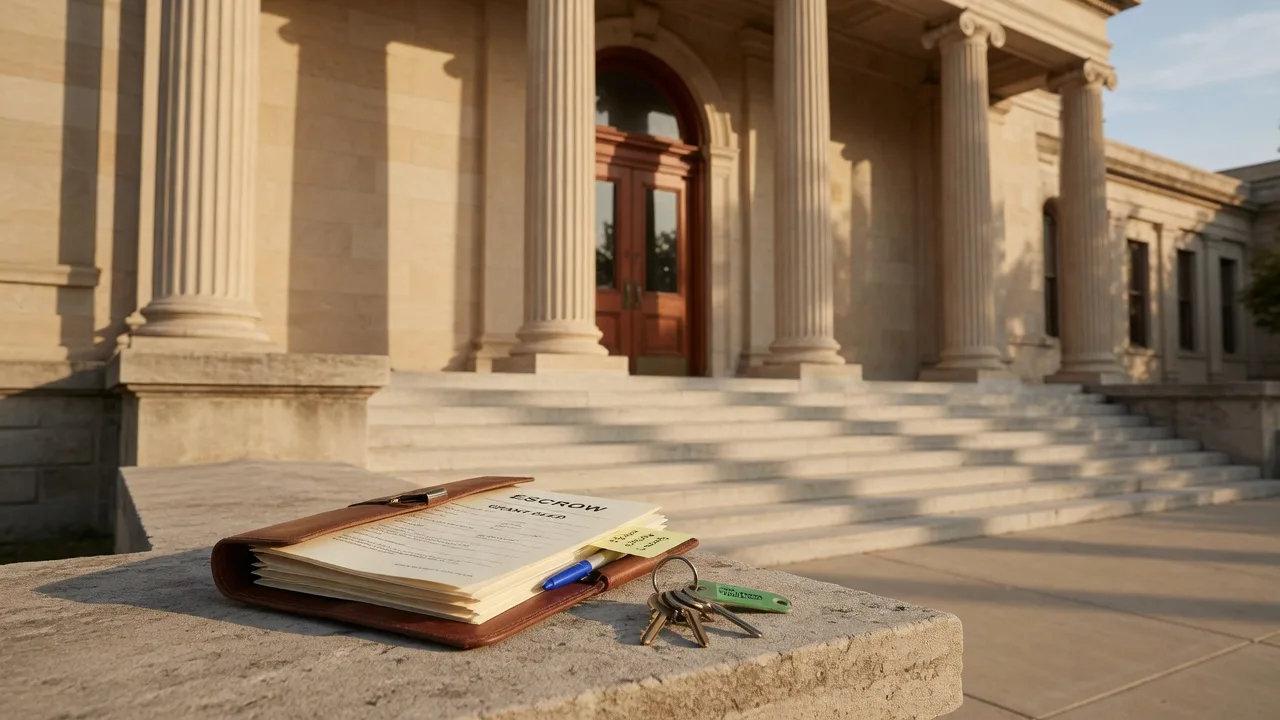
In many probate sales, an accepted offer is not the finish line; it is the price that goes before a judge. When the estate's personal representative holds limited authority under California's Independent Administration of Estates Act, the sale must be confirmed at a court hearing, and at that hearing anyone can overbid the accepted offer in open court. Understanding the hearing, the deposit rules, and the appraisal floor takes most of the fear out of it. This is general information, not legal advice, so confirm the estate's actual authority with the probate attorney.
When confirmation is required
A representative with full IAEA authority can generally sell real property through the notice of proposed action process, without a traditional confirmation hearing. With limited authority, the sale goes before the probate court: after an offer is accepted and its contingencies are removed, the estate attorney files the petition, notice goes to the heirs, and the hearing is scheduled, commonly a few weeks later. The court reviews whether the sale was legally made and fairly conducted, whether it is necessary or advantageous to the estate, and whether the price is adequate.
The appraisal floor: 90 percent
On a court-confirmed sale, the price generally cannot fall below 90 percent of the probate referee's appraised value. That floor protects the estate, and it means the referee appraisal and the accepted offer have to be in the same neighborhood. If an offer comes in under the floor, the sale usually cannot be confirmed at that price. This is one reason the referee value, and the way the home is priced against it, matters so much in a probate sale.
How overbids work in open court
At the confirmation hearing, anyone who is ready and able to complete the purchase may bid from the gallery, even over the objection of the original buyer. The first overbid must beat the accepted price by a set margin: 10 percent of the first $10,000 plus 5 percent of the amount above $10,000. On an accepted offer of $600,000, that works out to a minimum first overbid of $630,500, which is $1,000 plus 5 percent of $590,000. The court then controls the size of each further bid, and the home is confirmed to the highest responsible bidder.
The 10 percent deposit
The original buyer deposits 10 percent of the purchase price with the offer, typically by cashier's check made out to the estate. The successful bidder at the hearing, whether the original buyer or an overbidder, deposits 10 percent of the winning bid with the court clerk on the spot. If the original buyer is outbid, the deposit is refunded. If they win, the deposit applies to the purchase price, and closing follows on the court's timeline, commonly within 30 to 60 days.
What this means for Sacramento families and buyers
For the estate, confirmation is a fairness checkpoint, not a crisis: most confirmed sales close at or near the accepted price, and the process protects heirs from a too-quick deal. For buyers, it means a probate purchase can include courtroom competition, which is why a local Realtor who knows the Sacramento probate calendar is worth having. And for the family, knowing early whether the estate holds full or limited IAEA authority sets the right expectations from the first listing conversation instead of the final week.
The Probate FAQ explains full versus limited IAEA authority in plain language, the free Probate Checklist keeps the estate's paperwork moving on schedule, and the Probate and Trust Sales Guide compares court-confirmed and trust sales side by side. Diane has guided court-confirmed sales across Sacramento, including Galt, Fair Oaks, and East Sacramento, and she will help you read the process instead of fearing it.

Written by
Diane Taylor
Broker/Owner of Taylord Real Estate. SRES, SFR, Probate Consultant, and HUD Registered Broker, serving South Sacramento and Elk Grove for 20 years.