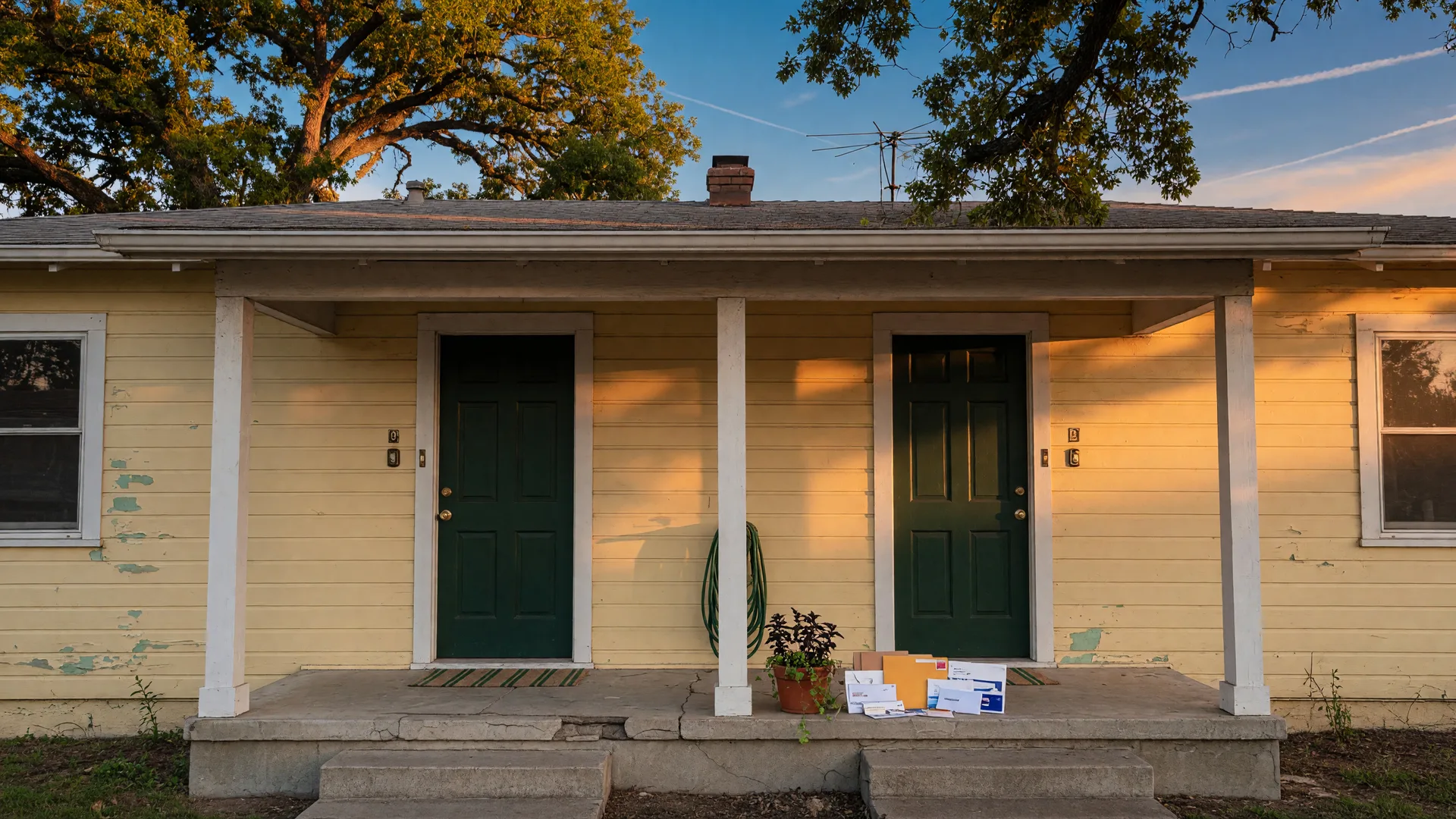
September 9, 2026 · By Diane Taylor
Reverse Mortgage on an Inherited Home: What Sacramento Heirs Should Know
Parents love the no-monthly-payment part, but heirs inherit a due-and-payable loan. Here is the calm, plain-language version of what happens next.
Key facts at a glance
- Non-recourse loan
- A reverse mortgage is non-recourse: heirs never owe more than the home is worth, and no heir has to cover a loan larger than the home's value from personal money.
- Due and payable
- The loan becomes due when the last borrower passes, with about 30 days to notify intention and typically up to six months to sell or pay, plus extensions for active marketing.
- The 95% rule
- When the loan balance exceeds the home's appraised value, heirs may settle the debt for roughly 95% of the current appraised value rather than the full balance.
- Your first step
- Request the payoff from the lender early, and get a current market analysis, so the family knows whether the home sells above the balance or comes close.
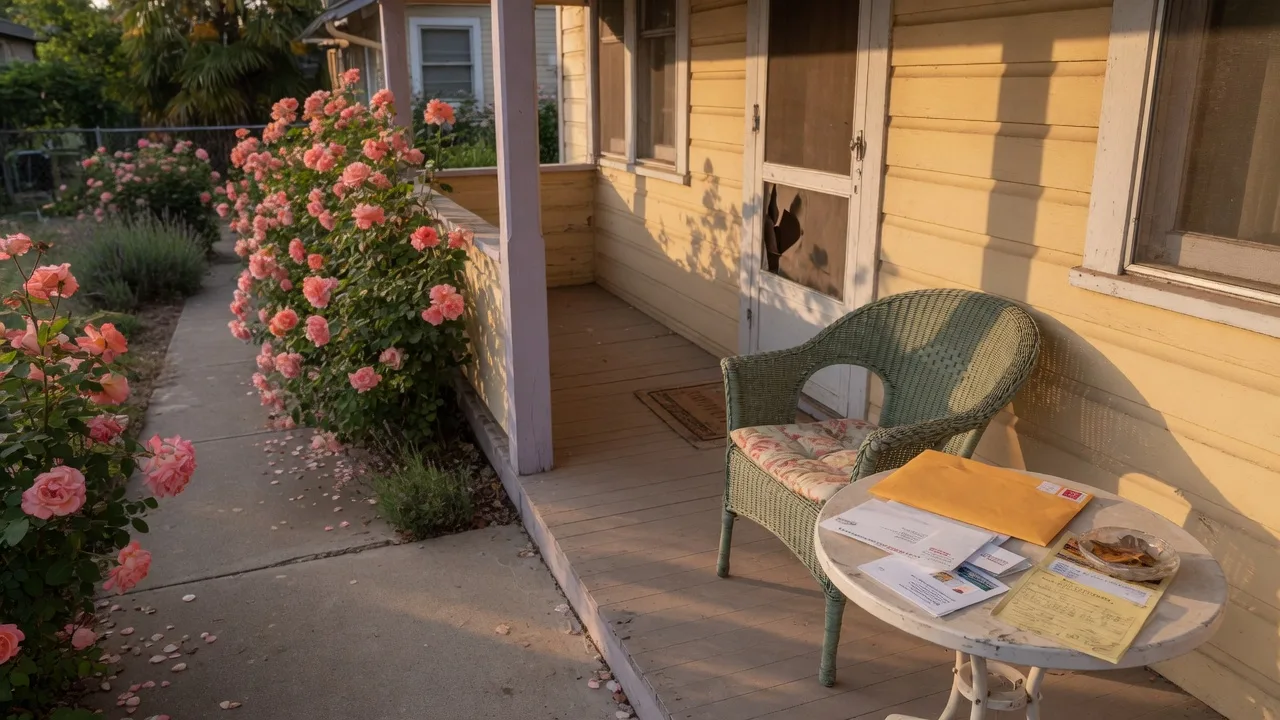
Parents who take out a reverse mortgage love hearing that they can stay in the home with no monthly payment. What many do not realize is that the loan becomes due and payable when the last borrower passes away, and that is when the heirs step in. The good news is that heirs are never personally on the hook beyond the home's value, and there is a clear, humane process for selling or keeping the house. Here is how it works.
What happens when the last borrower passes
The home does not belong to the lender when a borrower dies; title stays with the estate and heirs, and the lender issues a due-and-payable notice after being notified of the death. Heirs typically get a window, commonly about 30 days to state their intention and up to about six months to act, with extensions available while the estate is actively marketing the home in good faith. The biggest relief for most families: a reverse mortgage is non-recourse, so no one ever owes more than the home is worth, and no heir is required to use personal money to pay a loan larger than the home's value.
The three ways to handle it
- Pay it off: an heir who wants to keep the home can refinance or pay the balance, and for Federal Housing Administration-backed loans heirs often can settle for about 95% of the home's appraised value when the balance exceeds the value
- Sell the home: the sale proceeds repay the loan, and whatever is left over belongs to the estate and the heirs
- Hand the home back: if the loan outweighs the home's value and no one wants the property, heirs can work with the lender to give the home back and close out the matter
What to check before listing
- Get the lender's payoff demand before pricing the home, so you know the exact number to beat
- Ask whether a non-borrowing spouse or co-borrower has a right to live in the home, which changes the timeline
- Confirm how long the heirs have to sell, and whether an extension is available while the home is marketed in good faith
- Keep a homeowners insurance policy in force on the vacant home until closing, since the lender still has an interest in the property
Why this matters for Sacramento families
Reverse mortgages are common in the 50-plus communities Diane serves across South Sacramento and Elk Grove, and in older neighborhoods such as Carmichael, Fair Oaks, and East Sacramento where longtime owners have aged in place. When a home passes to the next generation, the loan is just one more document to handle, not a wall that ends the conversation. With the right payoff number and a realistic price, families often find the home can sell above what is owed, so an inheritance survives intact.
If your parent had a reverse mortgage, do not let the due-and-payable notice pressure you into selling too fast or missing windows. The free Probate Checklist lists the loan documents to gather first, and the guide for Sacramento probate and inherited property sales walks through selling from authority to closing, and the Probate and Trust Sales Guide explains how probate and trust sales differ. The Probate FAQ answers how estate sales handle debt. Diane can keep the home priced, listed, and sold within the lender's window.

Written by
Diane Taylor
Broker/Owner of Taylord Real Estate. SRES, SFR, Probate Consultant, and HUD Registered Broker, serving South Sacramento and Elk Grove for 20 years.