October 7, 2026 · By Diane Taylor
Someone Moved Into the Inherited Home: Unauthorized Occupants in California
A vacant inherited home can draw an occupant with no legal right to be there, and even a relative who lets themselves in is handled by the same rules. No one can act until the estate has authority, and removal goes through the courts. Here is the lawful path.
Key facts at a glance
- No inheritance of the right to move in
- A relative, caregiver, friend, or stranger gains no automatic right to occupy the home because the owner died; a valid lease, actual ownership, or the personal representative's permission is what creates the right to stay.
- Authority comes first
- No one can lawfully remove an occupant until probate is opened and the personal representative is appointed, or a successor trustee's authority is confirmed. The estate attorney drives this step.
- The lawful removal path
- Removal runs through an unlawful detainer case: a three-day notice to quit (or 30-day notice for a month-to-month occupant), a court filing, a judgment, and a sheriff-executed lockout. Self-help is illegal.
- Post and secure from day one
- No-trespass notices under Penal Code Section 602, fresh locks, and regular check-ins help prevent occupation in the first place, and they document the situation if it does happen.
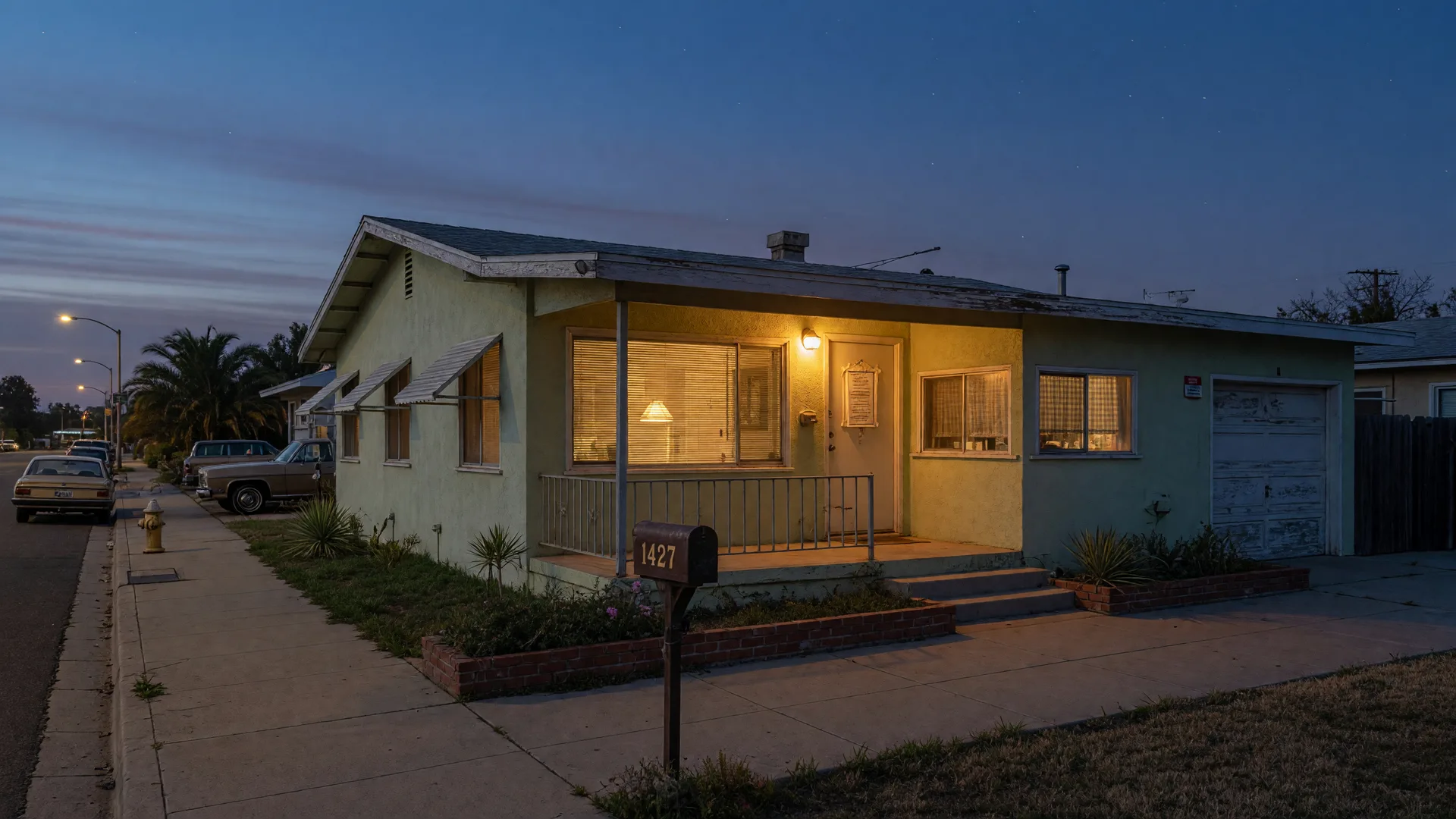
It happens more often than people expect: a parent dies, the house sits empty for a few weeks, and one day someone is living there, a stranger using the garage, an old acquaintance, or a family member who let themselves in with a spare key. In California, none of those people automatically earns the right to stay just because the owner died, and none can be removed by a frustrated relative acting alone. The path is legal and specific: secure the property, establish who holds the authority, and let the courts finish the job. This is general information, not legal advice, and an estate attorney should guide every step.
Who gains a right to stay, and who does not
A right to stay comes from one of three places: a valid lease signed with the homeowner, an actual ownership interest, or explicit permission from the appointed personal representative or successor trustee. An heir has the same status as anyone else here; inheriting an interest in the estate does not inherit a license to live in the house rent-free. When a relative genuinely wants to live there, the right way is a written occupancy agreement with rent and an end date, not a quiet move-in: Can Heirs Move Into the Inherited Home Before It Sells? explains how families set that up fairly.
Authority comes before enforcement
Until probate is opened and the personal representative is appointed, with Letters Testamentary or Letters of Administration, no one has the legal power to remove an occupant, and the same is true before a successor trustee's authority is confirmed. That makes the first step the paperwork, not the confrontation. While the estate gets organized, the family can secure the property around the edges, post a no-trespass notice under Penal Code Section 602, photograph everything, and call the local police department to document the situation and get a report number.
The lawful path: notices and unlawful detainer
Removal of an established occupant runs through an unlawful detainer case, a court process that moves on a clear schedule: a three-day notice to quit for someone with no lease or permission, or a 30-day notice for a month-to-month occupant, then a complaint filed in superior court if they refuse to leave, a judgment for the estate, and a writ of possession executed by the sheriff. California has not created a fast track for removing unauthorized occupants, so acting in the first weeks matters more than acting at the last minute. Self-help, changing the locks to trap someone out, cutting utilities, or physically removing a person or belongings, is illegal and can turn the estate into the party at fault.
What the family should do first
- Document the property: photograph the condition of the home and note who is there, when they arrived, and their vehicles
- Call the police about the trespass, get a report number, and keep a copy
- Post a clear no-trespass notice under Penal Code Section 602 and keep the property secure around the edges
- Open probate or confirm the trustee's authority promptly, because the timeline starts with the appointment
- Keep the insurance paid and the home protected while the case runs, and ask the estate attorney before spending a dollar on repairs or eviction costs
Why this matters for the sale
An estate cannot close escrow while an unauthorized occupant remains, because the buyer, the title company, and the lender will all ask who is in the house. Resolving the occupancy the lawful way keeps the sale price intact and protects the family from liability, while a shortcut can tie the property up in a second dispute and cost far more than patience would have. This is one of the situations where a probate-savvy team pays for itself many times over.
Occupancy questions come up in the same first weeks as everything else, and the free Probate Checklist keeps the whole list in one place. The Probate FAQ answers who holds the authority to deal with occupants and property, and the Probate and Trust Sales Guide covers occupied and vacant homes in probate and trust sales. Diane has handled estate homes in South Sacramento and Elk Grove with exactly these complications for 20 years, and a free consultation starts with a phone call.

Written by
Diane Taylor
Broker/Owner of Taylord Real Estate. SRES, SFR, Probate Consultant, and HUD Registered Broker, serving South Sacramento and Elk Grove for 20 years.