September 16, 2026 · By Diane Taylor
Can a Successor Trustee Sell the House Without Court Approval?
The short answer for most families: yes, a successor trustee can sell a trust-held home without probate or a court hearing. Here is what the job actually involves.
Key facts at a glance
- Successor trustee
- The person named in the trust to step in after the creator passes. Because the trust owns the property, the successor trustee generally can sell without probate or ongoing court supervision.
- Fair market value
- The trustee must sell at what the home would bring from an ordinary buyer, never quietly below that to an insider; a professional appraisal protects everyone.
- Court involvement
- The exception, not the rule: disputes, unclear trust terms, or a self-interested sale can bring the courts in, but a well-drafted trust usually never needs them.
- First step
- Confirm the trust document and the county title actually line up before listing, because a mismatch stops escrow cold.
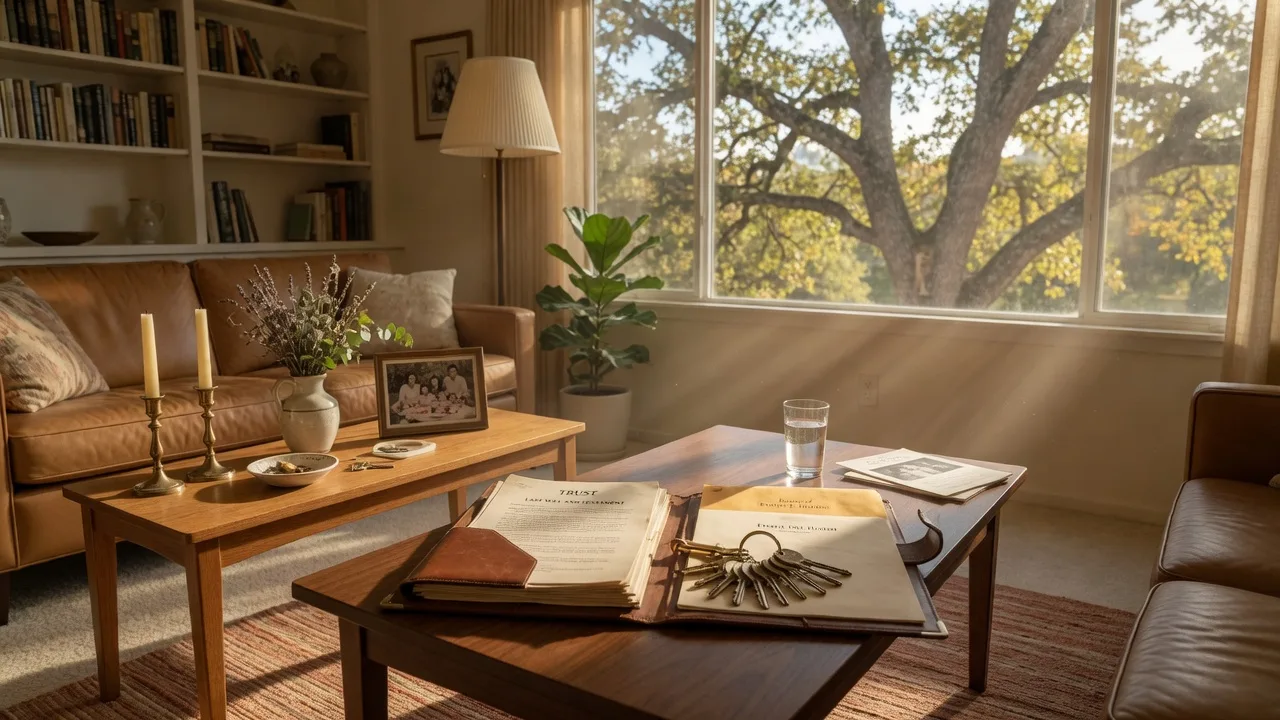
When a parent or grandparent plans ahead with a living trust, the family's first question after they pass is often whether the house can be sold without going through court. For most Sacramento families, the answer is yes: because the trust owns the property, not the deceased person's estate, the successor trustee usually has the authority to list, sign, and close a sale without probate or a court confirmation hearing. The trustee still answers to the beneficiaries, and knowing those duties is what keeps the sale smooth. This is general information, not legal advice.
First, confirm the trust and the title line up
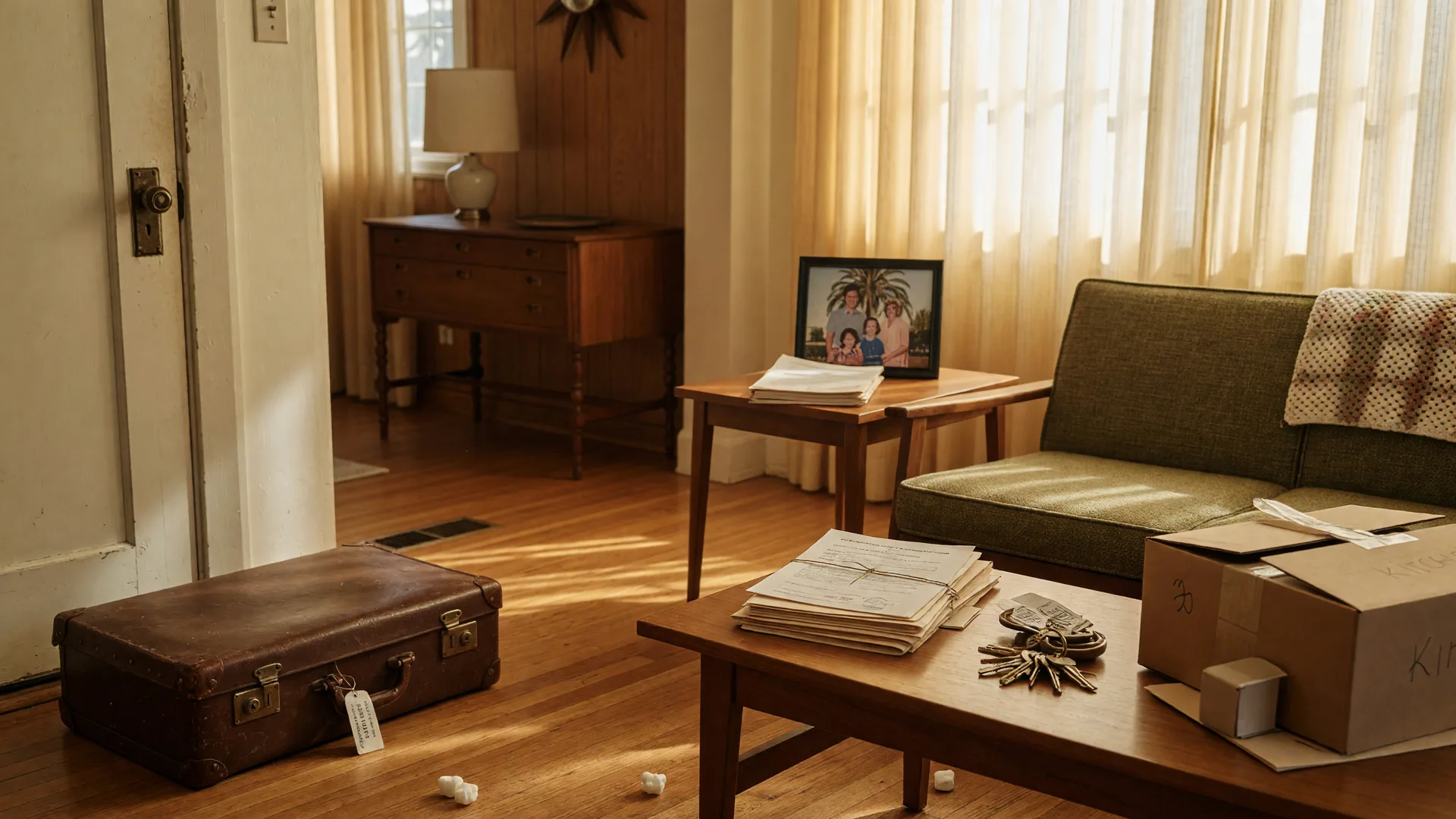
Before anything can be listed, the acting successor trustee has to be verifiable: the trust document names who steps in, and the county records must actually show the home titled in the trust's name. Trusts and deeds do not always line up. A house can be left out of a trust, retitled back into the owner's name during a refinance and never shifted back, or held in the name of a trust that cannot be found. If the title does not match the trust, an attorney may be able to fix it with a court petition, which is far easier to sort out before a listing than in the middle of escrow.
What the trustee has the authority to do
Once the trust paperwork and title are confirmed, the successor trustee generally can hire a Realtor, sign the listing agreement, accept an offer, and close the sale without going to court. The trust instrument itself grants those powers, and California law backs them up with the trustee's duty to administer the trust according to its terms. Court approval is the exception, not the rule, and it usually appears only in unusual situations: an unclear trust, a dispute among beneficiaries, or a sale where the trustee has a conflict of interest.
The trustee's duties are the real rules
- Fair market value: the trustee cannot quietly sell the home to an insider for less than it would bring from an ordinary buyer, and a professional appraisal protects everyone
- Loyalty to all beneficiaries: the trustee serves every person who benefits from the trust, not the loudest voice and not their own interest
- Notice and information: beneficiaries are entitled to reasonable information about the trust administration, and the trustee keeps clear records of the sale and the accounting
- Protecting the asset: keeping insurance, taxes, and utilities current on a vacant home until closing is part of the job
- Arm's-length sales: a sale to a beneficiary still has to meet the same price, terms, and documentation as a sale to a stranger
When court might still be involved
Trust sales are private, but not every situation stays that way. If a beneficiary challenges the trust, if the trust terms are genuinely unclear, or if the sale involves the trustee buying the property themselves, the family may need an attorney and possibly a court proceeding to resolve it. Most well-drafted trusts never need any of that, which is exactly why the planning was worth it.
If your family is selling a home from a trust, the free Probate Checklist walks through what to gather first, the Probate and Trust Sales Guide shows how trust sales differ from probate sales, and the Probate FAQ answers the questions trustees ask most. Diane has guided trust sales across South Sacramento and Elk Grove for 20 years, and she can tell you whether your family's paperwork is ready to sell.

Written by
Diane Taylor
Broker/Owner of Taylord Real Estate. SRES, SFR, Probate Consultant, and HUD Registered Broker, serving South Sacramento and Elk Grove for 20 years.