October 7, 2026 · By Diane Taylor
The Inherited Home Sits Empty: Insurance, Security, and Upkeep Before the Sale
A house with no one in it is still a living risk: water, fire, liability, and vandalism do not pause while the estate works through paperwork. Most homeowner policies quietly stop protecting a vacant home after a month or two. Here is how families keep the inherited home covered.
Key facts at a glance
- Vacancy clauses: 30 to 60 days
- Most California homeowners policies limit or cut coverage once a home is vacant, meaning unoccupied and largely unfurnished, for typically 30 to 60 days. The exact window is written into the policy.
- The estate keeps the policy alive
- The policy transfers to the estate, and the personal representative is responsible for keeping the home insured and the premiums paid. Notify the insurer of the death promptly, usually within about 30 days.
- Options when the house will be empty
- A vacancy endorsement extends the existing policy, and a dwelling-fire or vacant-property policy covers an unoccupied home. When standard carriers will not write it, the California FAIR Plan can cover fire on a qualifying property.
- Security keeps coverage intact
- Locked doors and windows, the water shut off, a tidy yard, and a trusted person checking the property weekly keep the home insurable and stop small problems from becoming large claims.
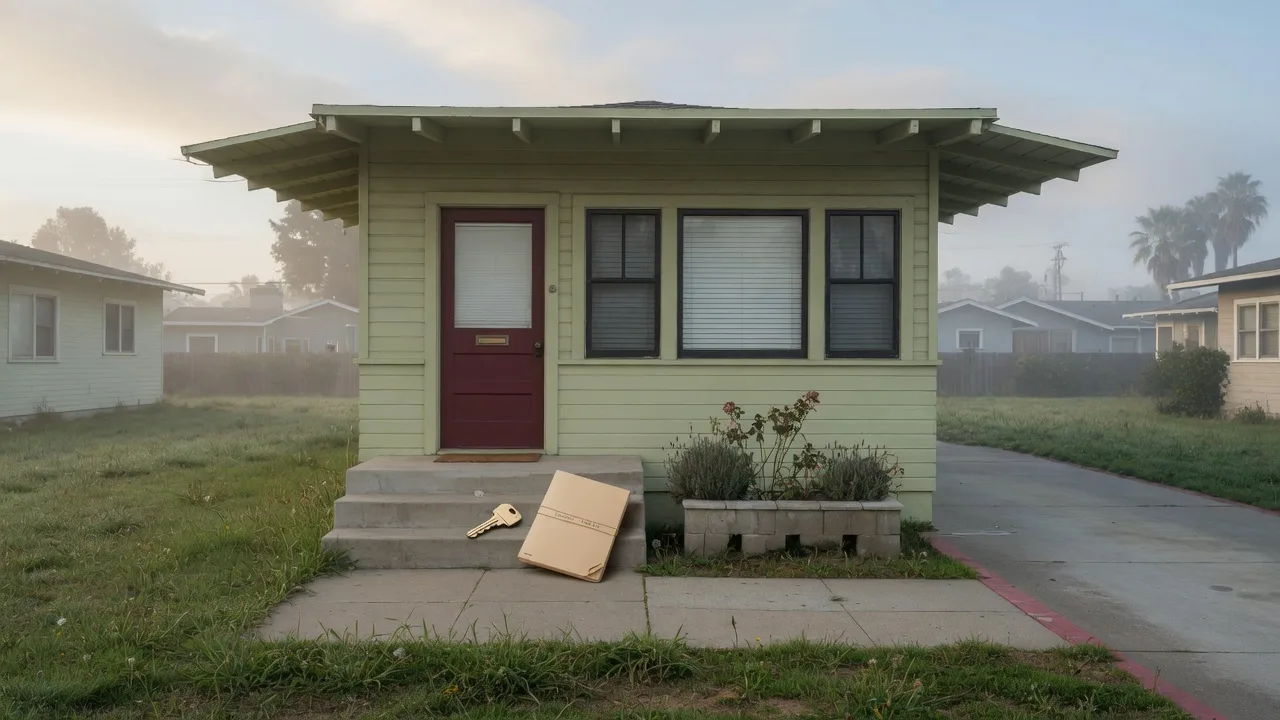
An inherited home can sit empty for months while probate or trust administration runs its course, and in that time the house still needs its most basic protections: insurance, security, and a little regular care. The mistake families make is assuming the old homeowner policy keeps working exactly as it always did. In California it usually stops protecting an empty house after 30 to 60 days of vacancy, and a water leak, a break-in, or a fire in that window can destroy value the estate depends on. Here is what to do about it, in plain language.
The vacancy clause nobody reads until it matters
Standard homeowners policies include a vacancy clause: once the home is vacant, meaning unoccupied and substantially without furnishings, for a set period, typically 30 to 60 days depending on the policy, coverage shrinks dramatically or disappears. Theft and vandalism claims are the first to be denied, and water damage often follows. The exact number of days is written into the policy, which is why the first step is always reading it and calling the insurer before the home has been empty for a month, not after.
What happens to the policy when the owner dies
The homeowner policy does not automatically become the heirs' policy. It transfers to the estate, and the personal representative, the executor or administrator, becomes responsible for it, because California law asks the representative to preserve and protect the estate's property, and a home without insurance is an uninsured risk. Notify the insurance company of the death promptly, usually within about 30 days, arrange for premiums to keep being paid, and ask how the representative should be recognized on the policy. Informing the insurer matters for another reason: a later claim can be fought if the insurer was never told the owner had died.
Two ways to keep an empty house covered
If the home will be empty longer than the policy allows, families have two practical routes. A vacancy endorsement can extend the existing policy for an agreed period, which is often the easiest fix while the estate is short. For a longer vacancy, a dwelling-fire or vacant-property policy is written specifically for an unoccupied home and usually costs a few thousand dollars a year for a modest single-family home, far less than an uninsured loss. When standard carriers will not write coverage at all, often because of wildfire risk in the surrounding area, the California FAIR Plan is the insurer of last resort for fire, lightning, and smoke on a qualifying property.
The quiet work of security and upkeep
- Change the locks and secure every window, the garage, and any outbuilding before anyone can move in
- Shut off the water to the washing machine and outdoor spigots, or keep the heat at a safe minimum so pipes do not freeze
- Keep the lawn tidy and the mailbox cleared, because an unkempt house invites both code complaints and unwanted attention
- Walk through the house weekly, or ask a trusted neighbor, relative, or service to do it, checking for water, odors, and signs of entry
- Keep the policy current the entire time, because a lapse in coverage is exactly when the worst claim happens
Why this protects the sale
A secure, insurable, well-kept home sells for more and closes faster, because buyers, lenders, and inspectors all feel the difference. A house that has sat protected for months shows up at showings as pride of ownership, while a house that has soaked in a leak or welcomed vandals becomes a discount and a delay. The care the estate gives the empty home is not overhead, it is part of the sale price.
The first pass through the house happens in the same order for every family, and the free Probate Checklist lists the steps. The Probate and Trust Sales Guide covers preparing and presenting an estate home, and the Probate FAQ answers who holds the authority to insure, maintain, and sell. Diane has guided South Sacramento and Elk Grove families through exactly this first stretch for 20 years, and a conversation about your parent's home costs nothing.

Written by
Diane Taylor
Broker/Owner of Taylord Real Estate. SRES, SFR, Probate Consultant, and HUD Registered Broker, serving South Sacramento and Elk Grove for 20 years.