September 9, 2026 · By Diane Taylor
One Heir Wants to Keep the House, Another Wants to Sell: How Sacramento Families Work It Out
An inherited house tests families in ways few other assets do. Here is how buyouts, sales, and partition really work, and why starting with the numbers helps everyone.
Key facts at a glance
- Buyout
- The heir who wants to keep the home buys the others' shares at fair market value, backed by a formal appraisal and usually a written agreement.
- Selling as a group
- When a buyout is not realistic, an agreed family sale with shared process and one accounting of proceeds can be the fairest outcome.
- Partition
- A last-resort court process that divides the property or orders a sale when heirs cannot agree, with proceeds split by ownership shares.
- The starting point
- Two numbers shape the conversation: what the home is worth today and what it costs to carry.

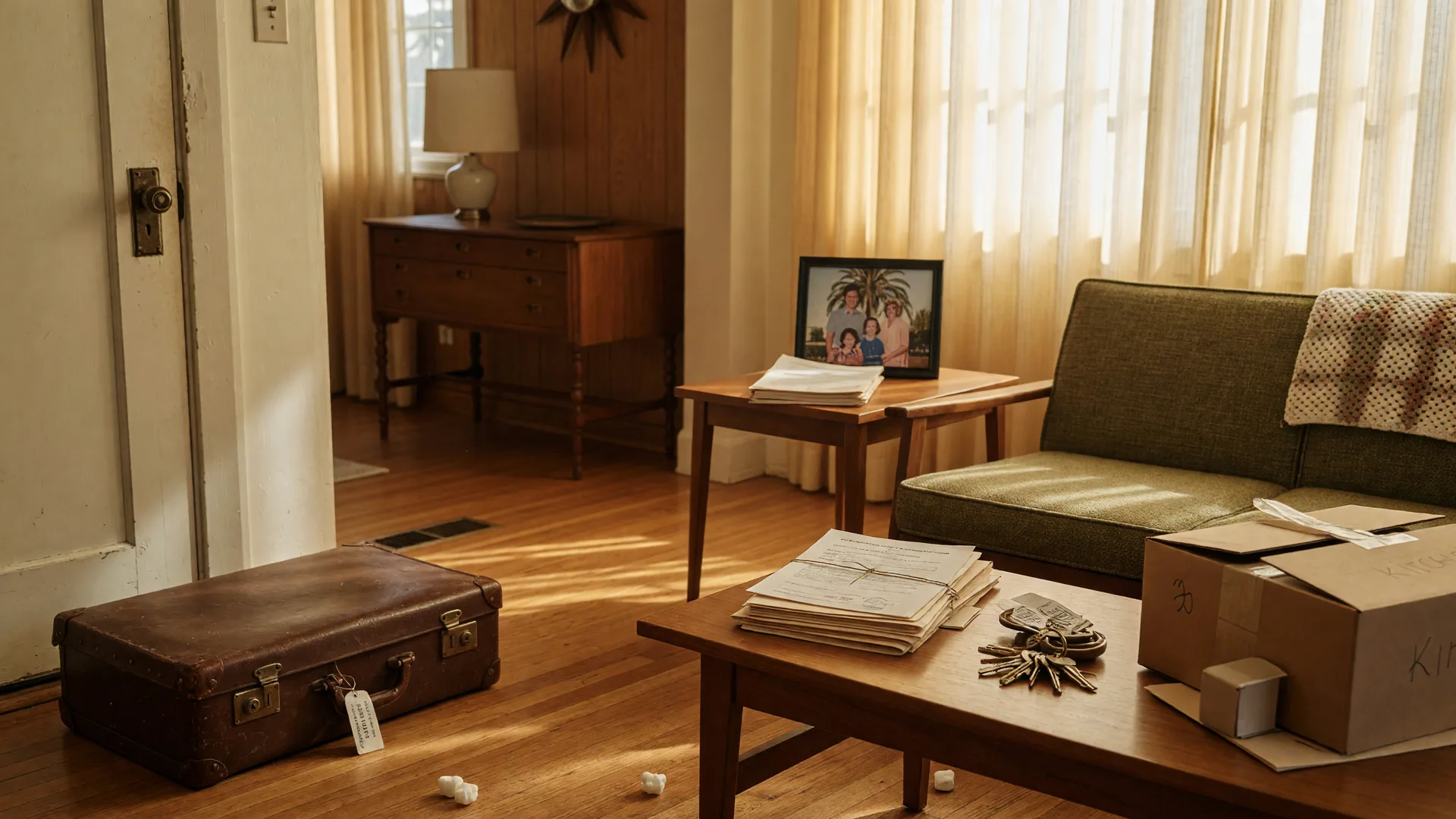
Few estate decisions weigh a family down like an inherited house. One sibling may have grown up in it, another may live a thousand miles away, and a third may simply need the money a sale would bring. None of these feelings is wrong, but the estate needs a clear agreement before the home moves forward. Here is how Sacramento families usually talk their way through keep it or sell it without blowing up the family.
Start with the numbers, not the arguments
Before anyone stakes out a position, put two numbers on the table: what the home is worth today, and what it costs to carry it. A current market analysis shows what a sale would net the estate; a rundown of taxes, insurance, upkeep, and any mortgage or reverse mortgage balance shows what keeping it costs. When everyone has the same numbers, the decision stops being about favoritism and wounded feelings and becomes one the family can afford together.
The buyout path
The cleanest way to keep the home in one heir's hands is a buyout: that heir buys the other's shares at fair market value, with the family agreeing on how the purchase happens, whether from savings, a refinance, or proceeds from other estate assets. A formal appraisal matters here, and in probate the court process may govern how and when a sale to a co-heir may happen. A written agreement signed by everyone turns a family wish into a transaction that can actually close.
The sale path
If a buyout is not realistic, selling is not a failure of family; sometimes it is the fairest outcome, with everyone sharing the proceeds according to their inheritance shares. The key is agreeing on the method, not only the outcome: the same listing agent, the same calendar, honest disclosure of every offer, and one accounting of the proceeds at closing. When the estate holds full Independent Administration of Estates Act (IAEA) authority, the personal representative can usually negotiate and close a sale without a court confirmation hearing; with limited authority, the court may have to approve the sale, and other heirs may have a chance to bid. A probate-savvy Realtor keeps these parts clear.
When it goes to court: partition
If heirs really cannot agree, and no buyout or sale agreement emerges, a partition action lets the court divide the property or order a sale, with proceeds split by ownership share. Partition is a last resort in California, not a first step: it takes time, costs money, and hands the control to a court. Most families avoid it by talking early and by bringing in a Realtor who can lay out the real dollars of each path.
A calm process protects everyone
- Get a current market analysis and a formal appraisal before anyone stakes a value claim
- Put every keep-or-sell decision in writing and share the same numbers with every heir
- Set a timeline together, balancing the sibling who wants speed and the one who needs time
- Keep an estate attorney in the loop, especially when a home is tied up in probate
The family home is the most emotionally charged asset most Sacramento families will ever handle, and no one should carry it alone. The Probate FAQ explains what the estate can and cannot do while the home is held, the free Probate Checklist keeps the paperwork from getting lost, the Probate and Trust Sales Guide shows how probate and trust sales differ, and the Sacramento probate and seller guide walks a clean sale from authority to closing. Diane has helped families through buyouts, sales, and hard conversations for 20 years, and she will be the one to bring clear numbers to the table.

Written by
Diane Taylor
Broker/Owner of Taylord Real Estate. SRES, SFR, Probate Consultant, and HUD Registered Broker, serving South Sacramento and Elk Grove for 20 years.